Perpetual Homes Provides Solution to Housing Crisis
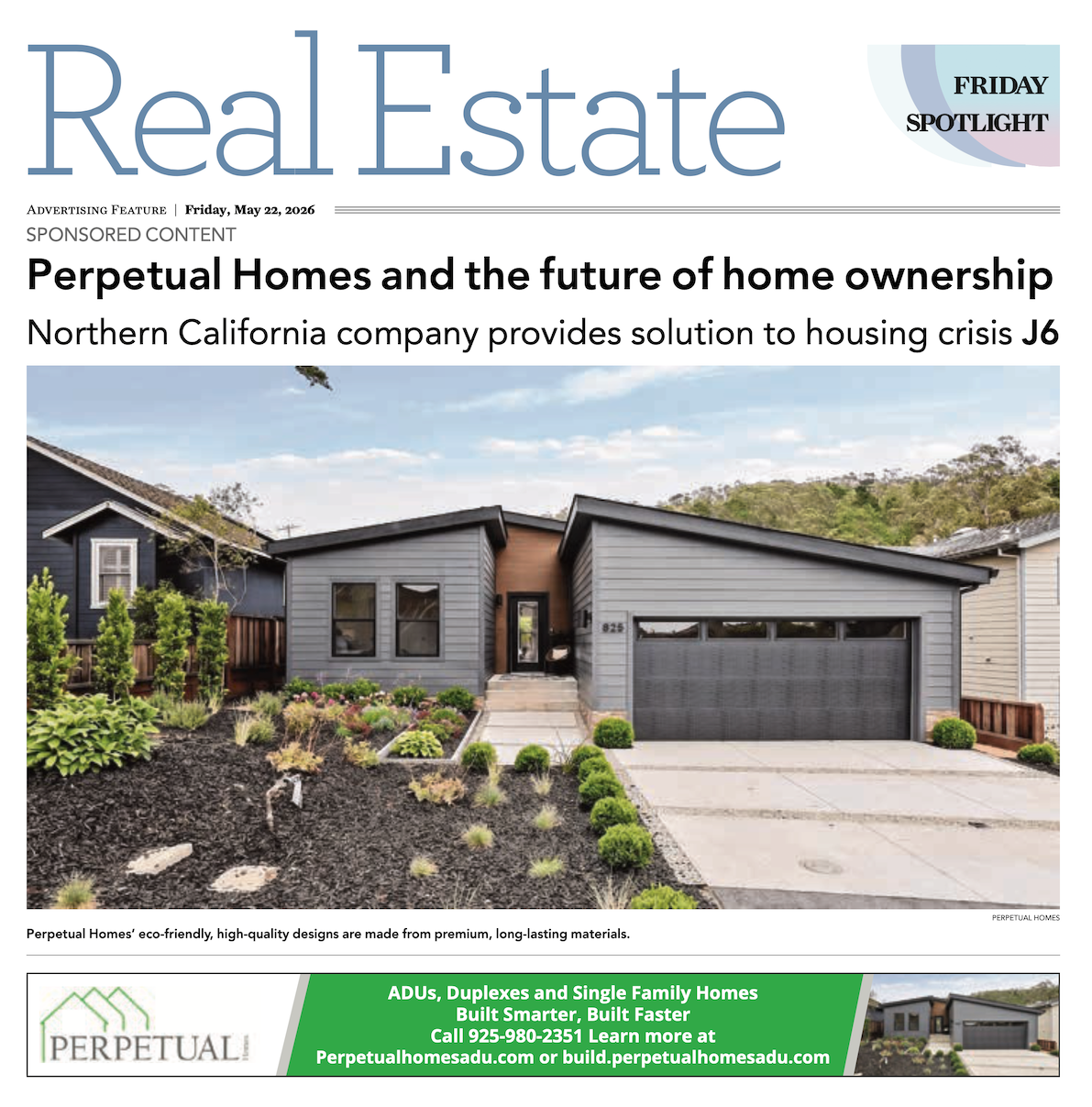
Backyard Revolution: How off-site construction and ADUs are changing the ways families live
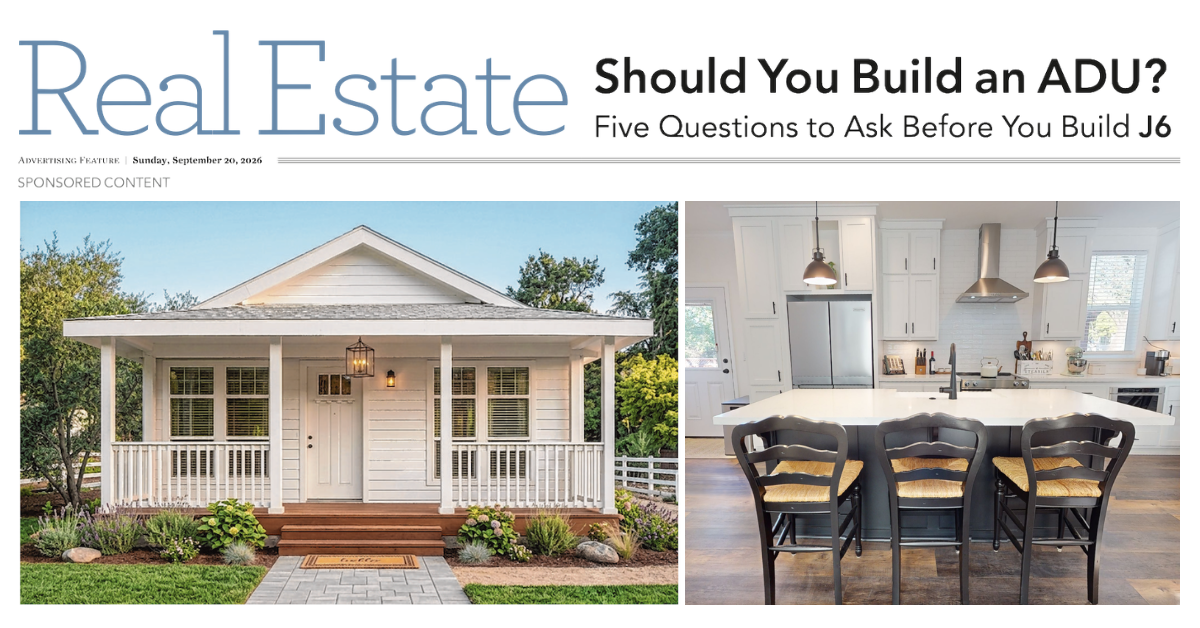
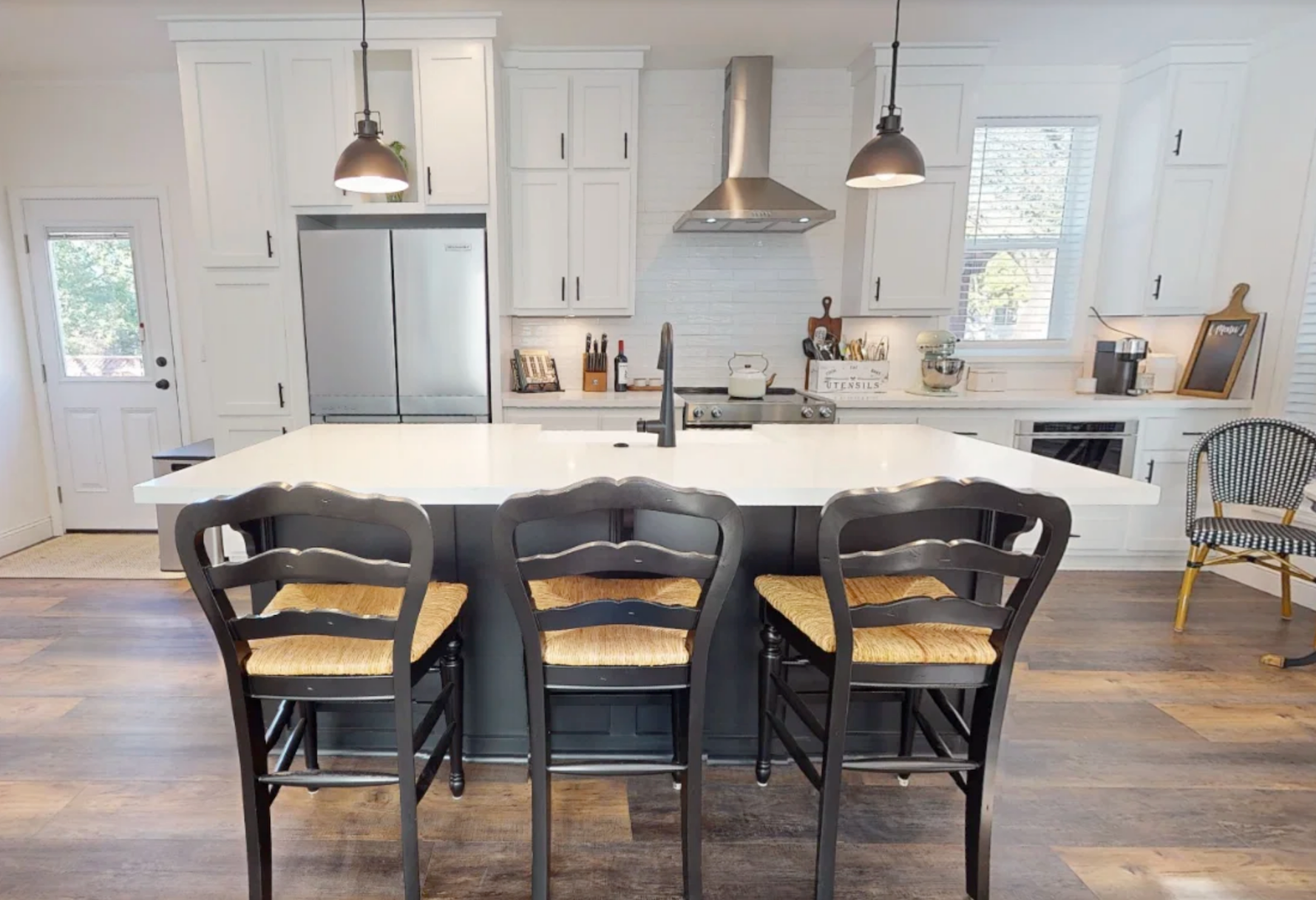
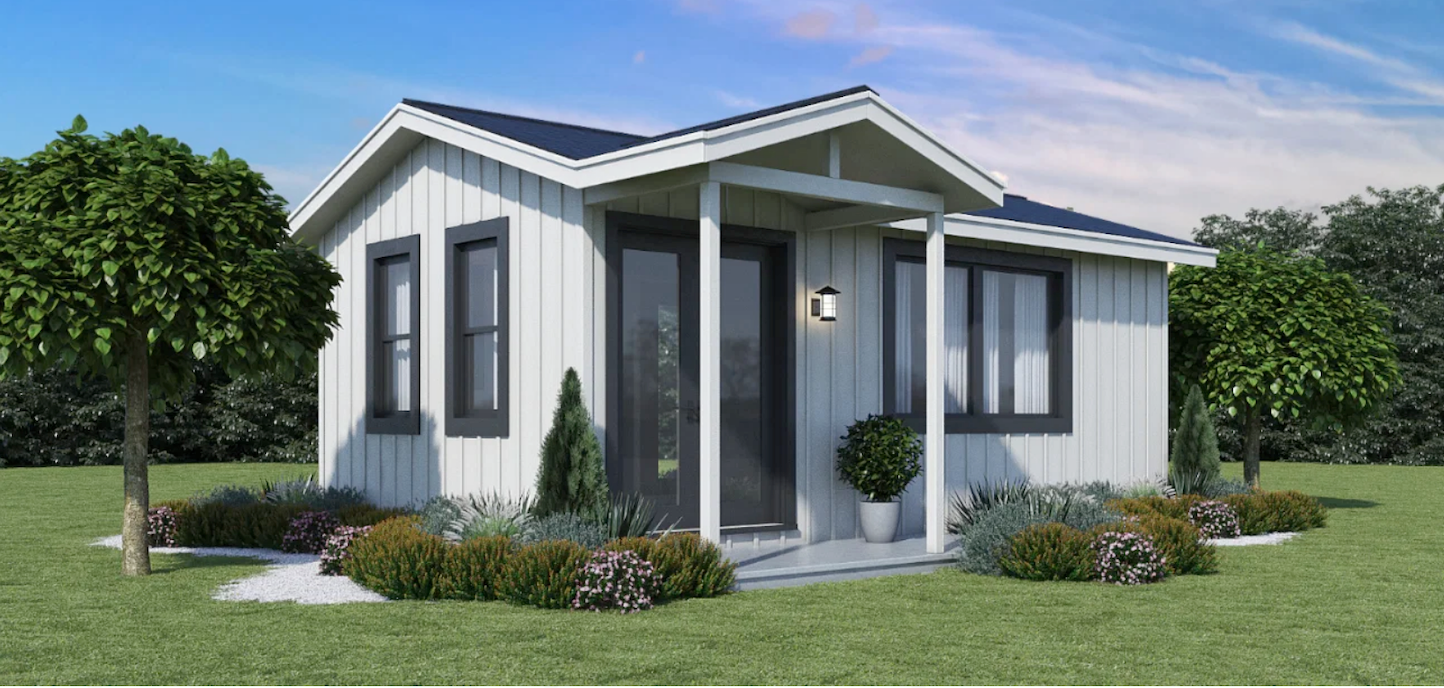
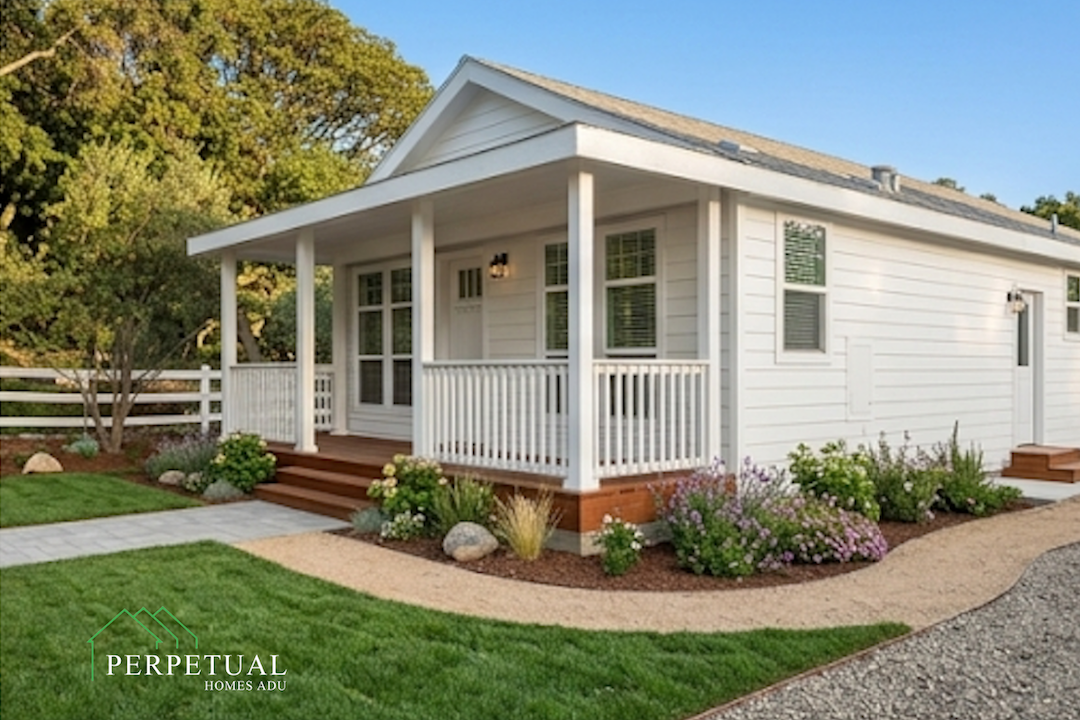
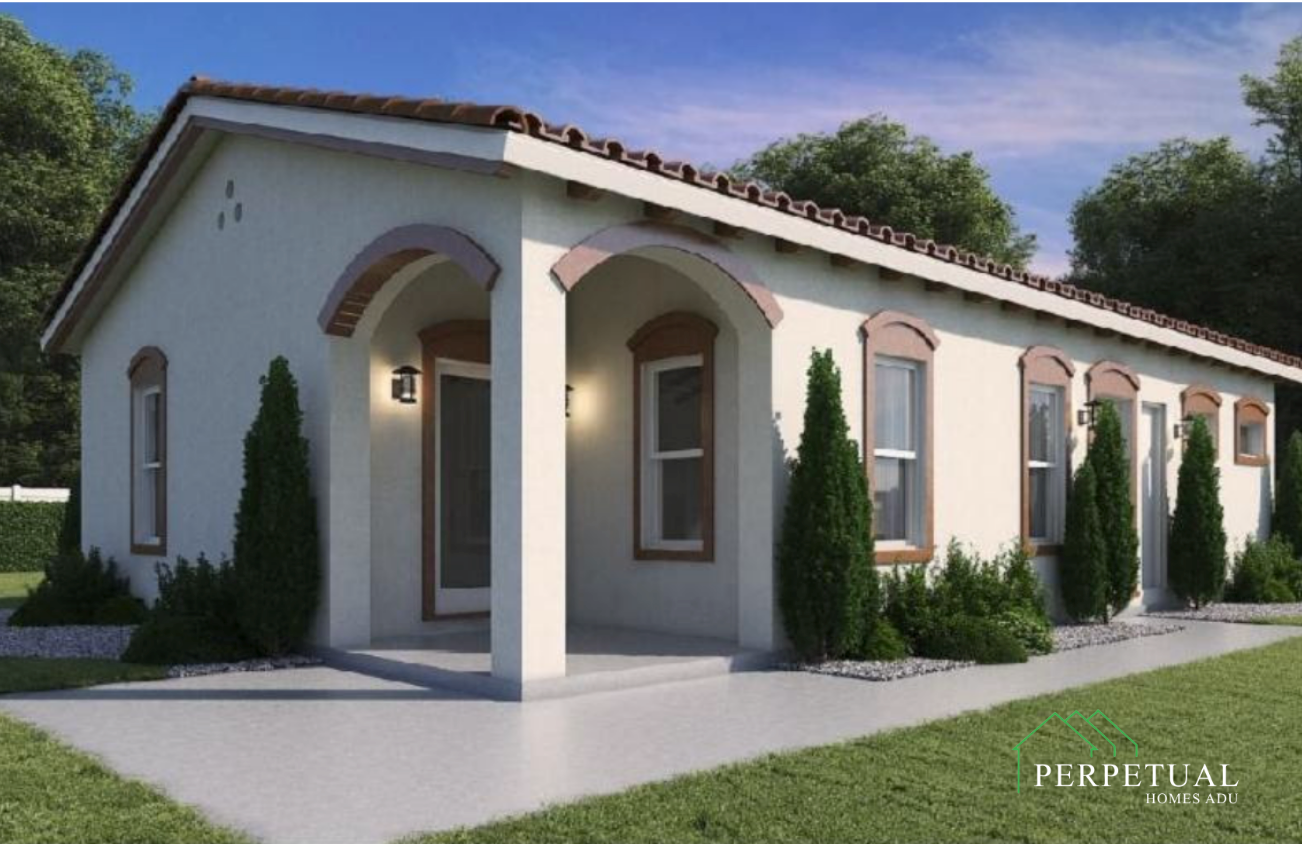
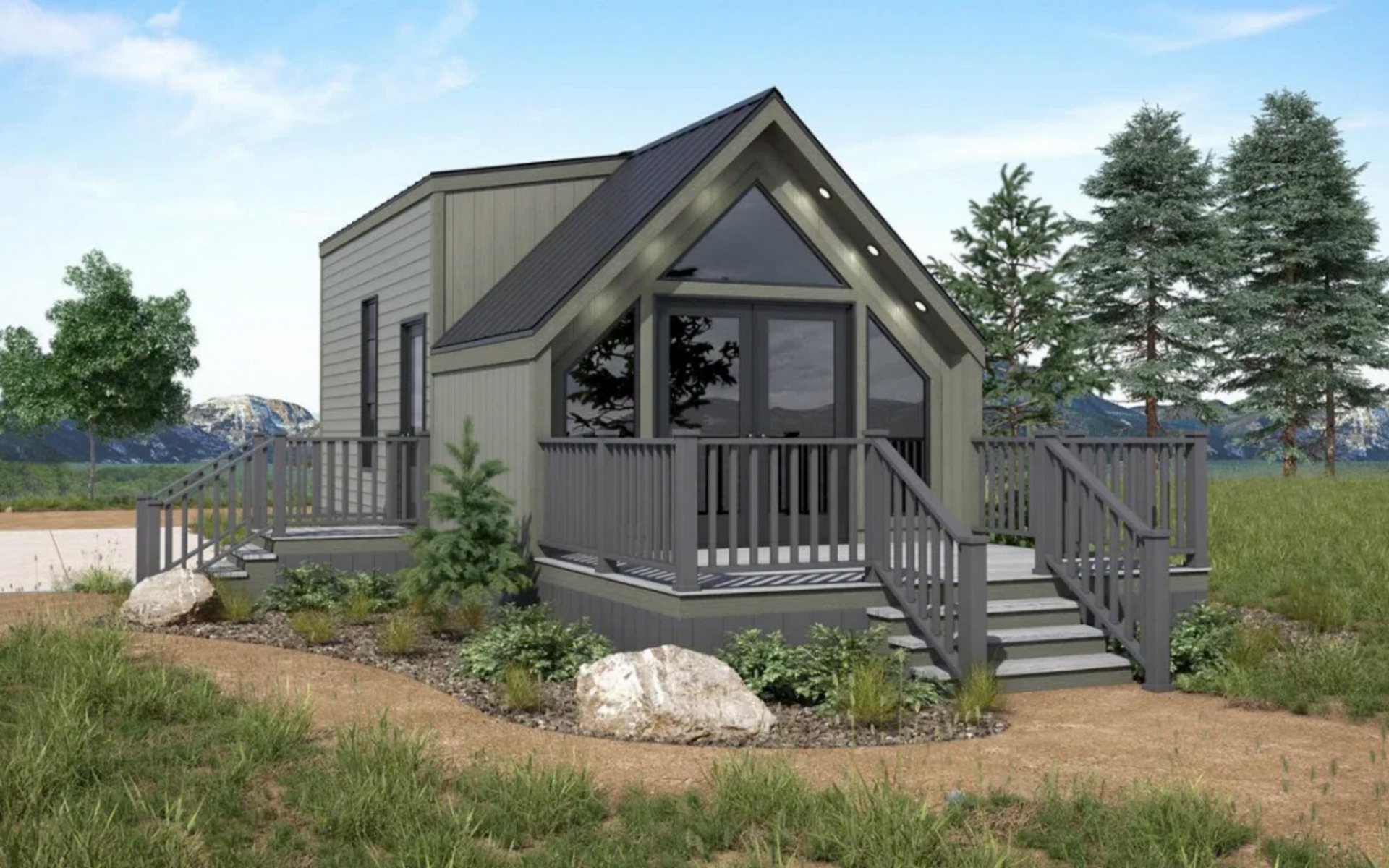
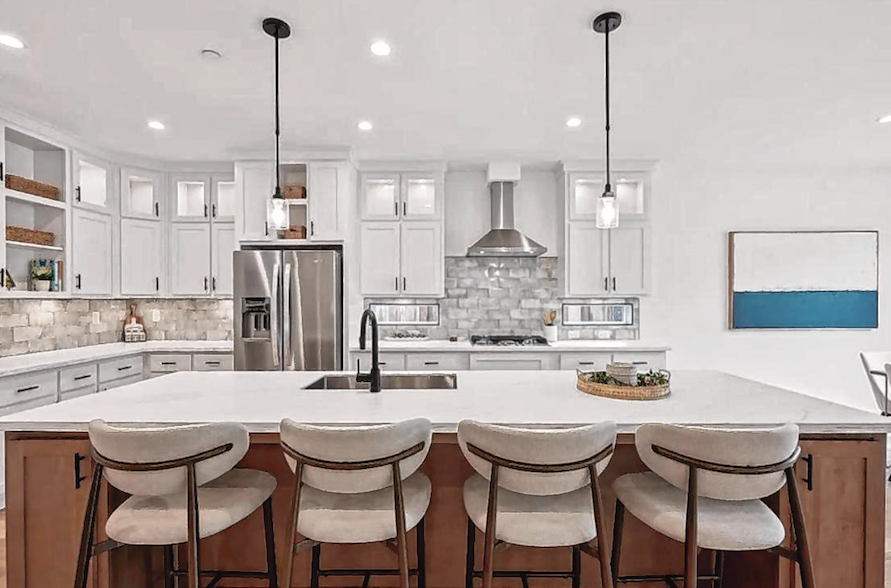
On a quiet suburban street, a crane lifts a fully finished home over a backyard fence as neighbors stop to watch. By sunset, an empty patch of grass has become a light-filled cottage with oak floors, a compact modern kitchen, and French doors opening onto a patio. It’s the kind of streamlined, design-forward accessory dwelling unit (ADU) companies like Perpetual Homes are bringing into backyards across Northern California.
Within weeks, a grandmother moves in close to family, but with independence intact. Across town, another accessory dwelling unit becomes a young couple’s first affordable home. Another serves as a remote-work studio by day and a guest suite by night.
At a time when traditional housing feels increasingly out of reach, these compact backyard homes are reshaping not only properties but also the way families live together. Driving much of this shift is off-site prefabricated construction, which allows ADUs to be built faster, more efficiently, and with far less disruption than traditional homebuilding.
Built Smarter, Built Faster
Traditional homebuilding has long been synonymous with delays, cost overruns, and uncertainty. Weather interruptions, labor shortages, and fragmented inspections can stretch timelines and strain budgets. Off-site construction, by contrast, offers a streamlined alternative.
In a prefab model, the home is built in a controlled factory environment while site preparation happens simultaneously, dramatically reducing construction time and minimizing delays. Companies like Perpetual Homes have embraced this approach to create turnkey ADUs that combine efficient off-site construction with high- end residential design. Rather than treating prefab housing as utilitarian, the focus is on homes that feel intentional, livable, and tailored to modern family needs.
But speed is only one advantage.
Factory construction allows for tighter quality control, more
consistent materials, and rigorous inspections throughout production. It also reduces material waste, incorporates energy-efficient systems, and often uses healthier materials such as low-VOC finishes and formaldehyde-free insulation.
Perhaps most important, prefab construction offers homeowners something traditional building often cannot: greater confidence in the timeline, budget, and final product.
The Backyard, Reimagined
For decades, the American backyard was associated primarily with leisure — pools, patios, and open lawns. Increasingly, however, homeowners are viewing that space differently. An ADU transforms underused land into something functional, flexible, and enduring: housing for family members, rental income, workspace, or a combination of all three.
It represents a shift not just in construction, but in how people think about home itself. Rather than asking, “What can I put in my backyard?” homeowners are increasingly asking, “How can this property better support the people who live here?” More and more, the answer is an ADU.
The Future is Already in the Backyard
Off-site construction and ADU development are not passing trends. They are practical responses to some of today’s biggest housing challenges: affordability, flexibility, sustainability, and changing family needs. Prefab construction offers a faster and more reliable path to building. ADUs create adaptable living spaces that support multi- generational families, generate income potential, and make better use of existing property.
Together, they represent a fundamental shift in how housing is conceived and built: smaller, smarter, more flexible, and more responsive to real life.
Companies like Perpetual Homes are helping lead that shift by combining off-site construction, thoughtful design, and turnkey efficiency into homes built for the way people live today. In a housing market under increasing pressure, ADUs are no longer simply an alternative — they are becoming part of the future of American housing itself.
Learn more at perpetualhomesadu.com or build.perpetualhomesadu.com, or call (925) 980-2351.