Pool vs. ADU: What Makes Sense for Your Backyard Investment?
Why Are California Homebuyers Choosing ADUs Over Pools for Backyard Investment?
For many California homeowners, the backyard is no longer just extra space. It has become part of a larger financial and lifestyle decision. One of the most common questions today is whether to invest in a swimming pool or build an accessory dwelling unit (ADU).
At the same time, buyer demand is shifting. More people are actively searching for homes that already have an ADU or at least the space to build one. This trend is being shaped by housing costs, changing family needs, and long-term investment thinking.
The Shift in Buyer Priorities
Housing insights from the California Association of Realtors show that buyers are placing more value on flexible living space and income potential. Features that once felt like luxury upgrades, such as pools, are no longer at the top of the list for many buyers.
Katherine Anderson, founder and Managing Partner of Perpetual Homes, sees this firsthand: “We work with a number of realtors who are noticing a change in what buyers are searching for. Swimming pools aren’t on the top of the list anymore, and homeowners are searching for lots that have room to put in an ADU.”
This shift is also being supported at the state level. The California Department of Housing and Community Development has expanded opportunities for homeowners through ADU laws and Senate Bill 9 (SB 9), both designed to increase housing supply in single-family neighborhoods.
What SB 9 Means for Homeowners
SB 9 allows property owners in many single-family zones to increase the number of homes on their property without going through a lengthy approval process. The law removes discretionary review and public hearings for qualifying projects, making it easier to move forward.
SB 9 gives homeowners a few key options:
- Build up to two homes on a single-family lot
- Split one lot into two smaller lots
- Combine both to allow up to four total homes, where one was previously allowed
You can also use SB 9 to build a single new unit, as long as the project meets local standards for setbacks, lot size, and access.
If you don’t split your lot, you may be able to add up to two additional units, depending on local rules, and often still include ADUs or junior ADUs under separate laws. If you do split your lot, the total number of units is typically capped at four across both parcels.
SB 9, combined with ADU regulations, gives California homeowners more flexibility to use their property in a way that fits their needs, whether that’s adding space for family or creating long-term value.
Comparing Investment Value: Pool vs. ADU
A pool can improve lifestyle and enjoyment. It may add some resale appeal in certain markets, but it typically does not generate income. It also comes with ongoing costs for maintenance, utilities, and insurance.
An ADU, on the other hand, functions as real estate within your real estate. It can serve multiple purposes:
- Rental income
- Housing for family members
- Private workspace or guest home
From an investment standpoint, ADUs tend to provide stronger long-term value. According to data referenced by the California Association of Realtors, properties with ADUs often attract more buyers and can sell faster due to their added flexibility.
Katherine Anderson puts it simply, “Houses are selling a lot quicker if they can fit an ADU on their lot because it's a better investment and adds value to your property to build an ADU.”
Addressing California’s Housing Needs
California continues to face a housing shortage. State agencies, including the California Department of Housing and Community Development, have identified ADUs as a key part of the solution. By allowing homeowners to add smaller, independent units, the state can increase housing supply without large-scale development.
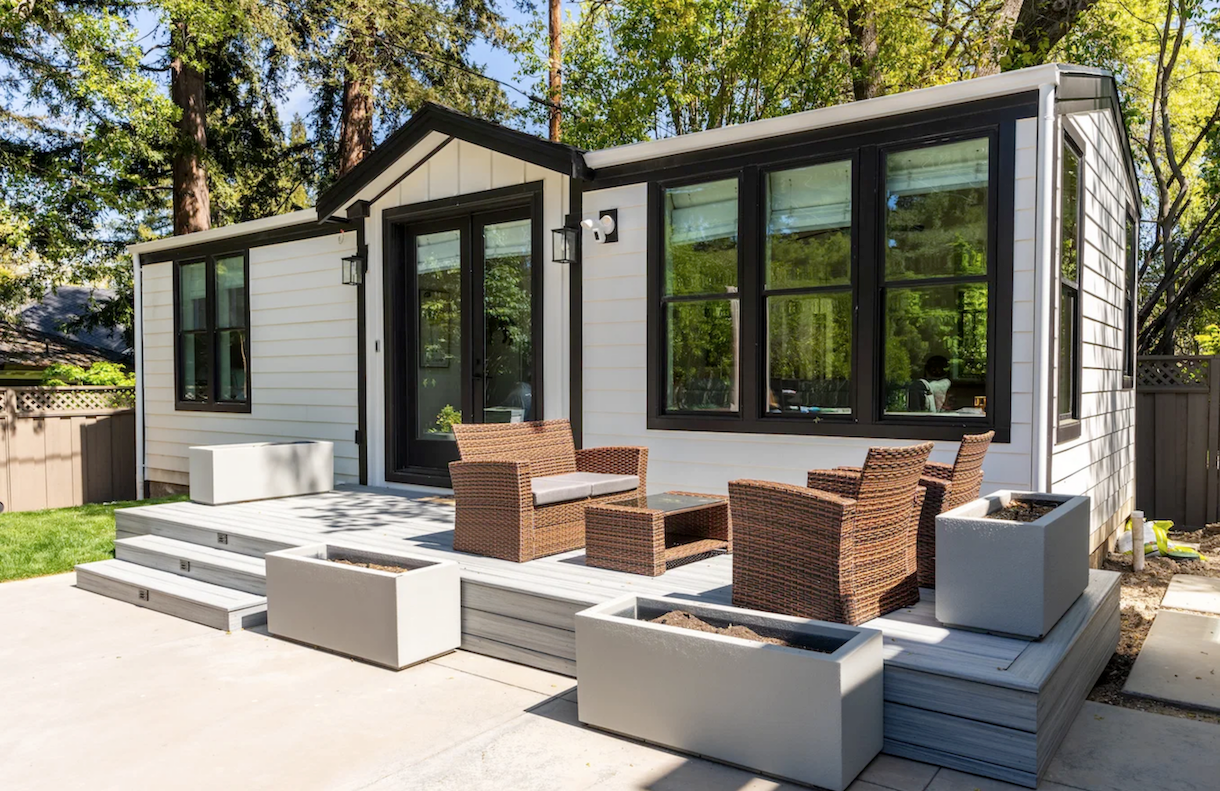
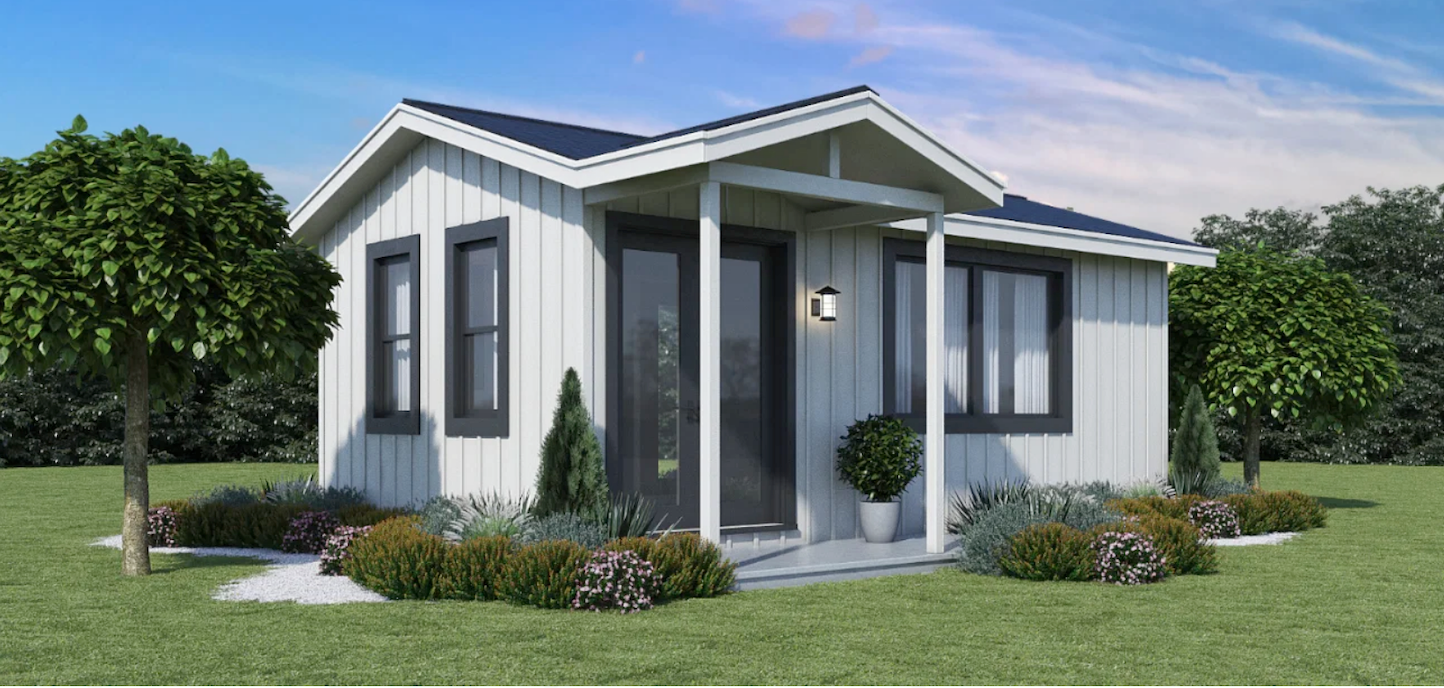
Perpetual Homes ADU is part of that effort. The company works with homeowners across California to design and build prefab ADUs that are faster to deliver and more cost-effective than traditional construction.
“How we can solve customers' housing shortage,” Katherine Anderson explains is looking at the bigger picture. “They're talking about all the multigenerational living out there. And yes, you can have the traditional model of multigenerational living, but it's a lot nicer if you can have your own separate detached ADU.”
Multigenerational Living Done Right
One of the biggest drivers behind ADU demand is family. Many homeowners are looking for ways to support aging parents or provide space for adult children.
“Clients are really looking for ADUs for their parents and family members,” says Anderson.
This approach offers both proximity and privacy. Instead of sharing one home, families can live close together while maintaining separate spaces. There is also a financial benefit. Senior care facilities in California can be expensive. Building an ADU can sometimes cost less than a few years of assisted living.
“With the aging population, many senior home facilities are expensive. And when you run the numbers, you can quickly see that paying for an ADU versus the cost of three years of paying for a senior home can be a deciding factor. And the bonus is you can be close to your kids and watch the grandkids grow up.”
Customizable, Faster, and More Cost-Effective
One concern homeowners often have is whether an ADU will feel limited or generic. With Perpetual Homes ADU, that is not the case. About 85 percent of clients customize their floor plans at no additional cost. Layouts, finishes, and configurations can be adjusted to match how the space will be used.
Prefab construction also reduces both timeline and cost compared to traditional custom building. Because much of the home is built in a controlled environment, projects move more efficiently and avoid many common delays.
The result is a lower overall price point and a faster path from planning to move-in.
See What Fits Your Property
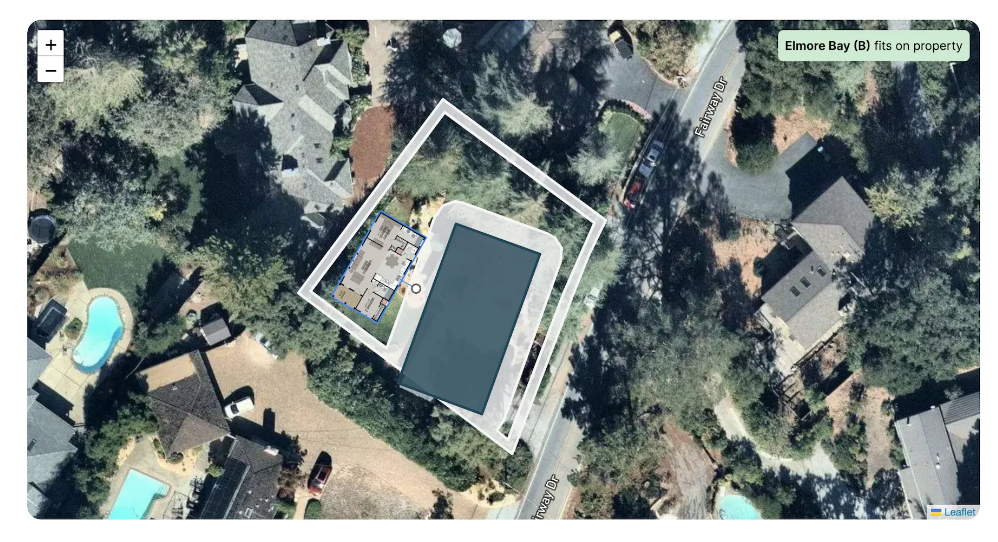
If you are considering an ADU, one of the first questions is whether your lot can accommodate it. Perpetual Homes offers an interactive tool to help homeowners visualize options. By entering your address, you can see which customizable and affordable prefab ADU models fit your property. You can drag, rotate, and compare backyard homes to confirm the right size and placement before starting your project.
Tour ADU Models in Northern California
Seeing a finished ADU in person can make the decision much clearer. Perpetual Homes currently offers model tours in Northern California. You can schedule an appointment in Danville, Concord, Sonoma, or Santa Rosa to walk through a completed ADU, explore layout options, and see the quality of our prefab and modular backyard homes at affordable prices.
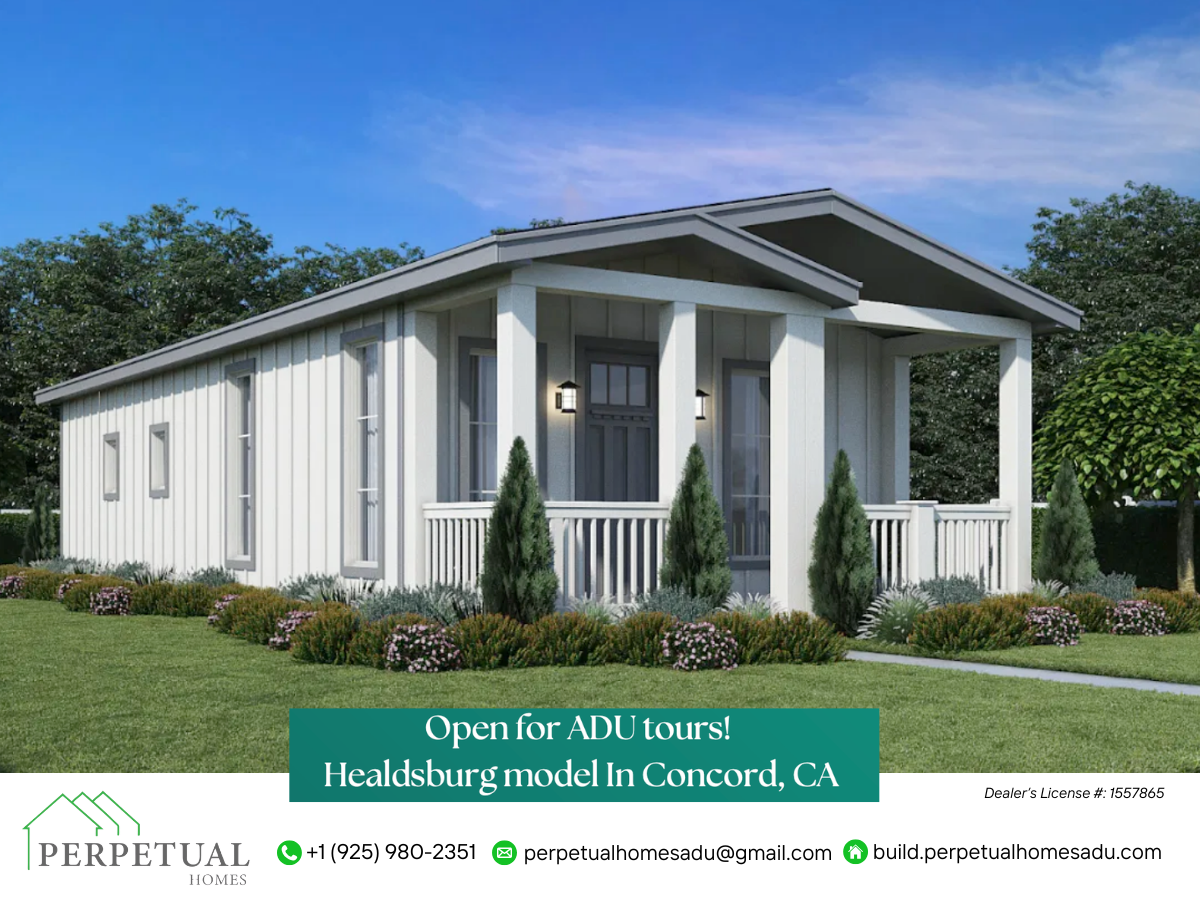
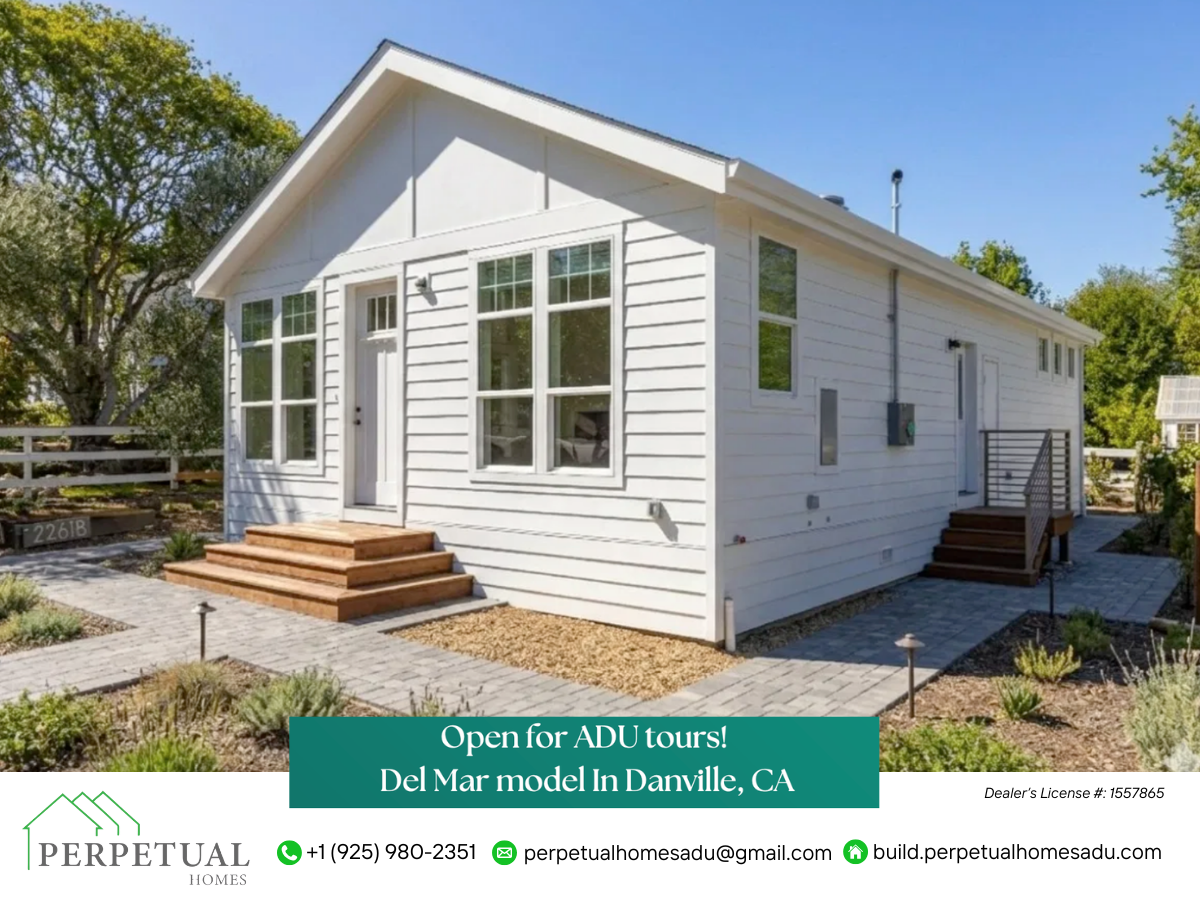
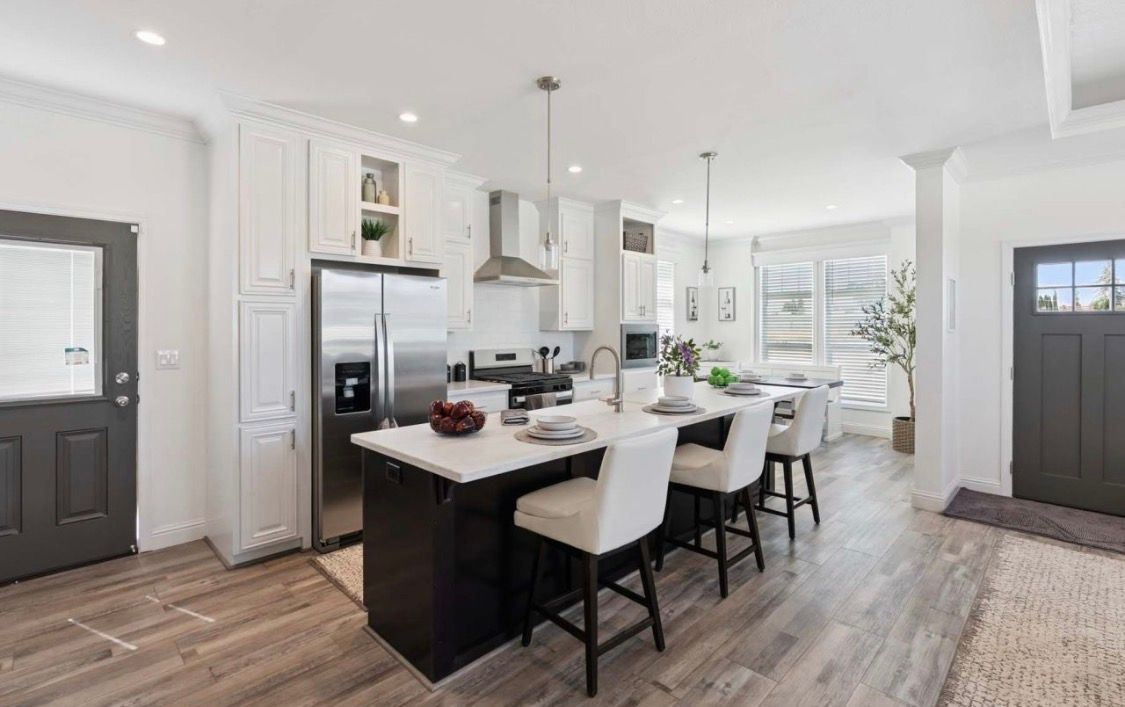
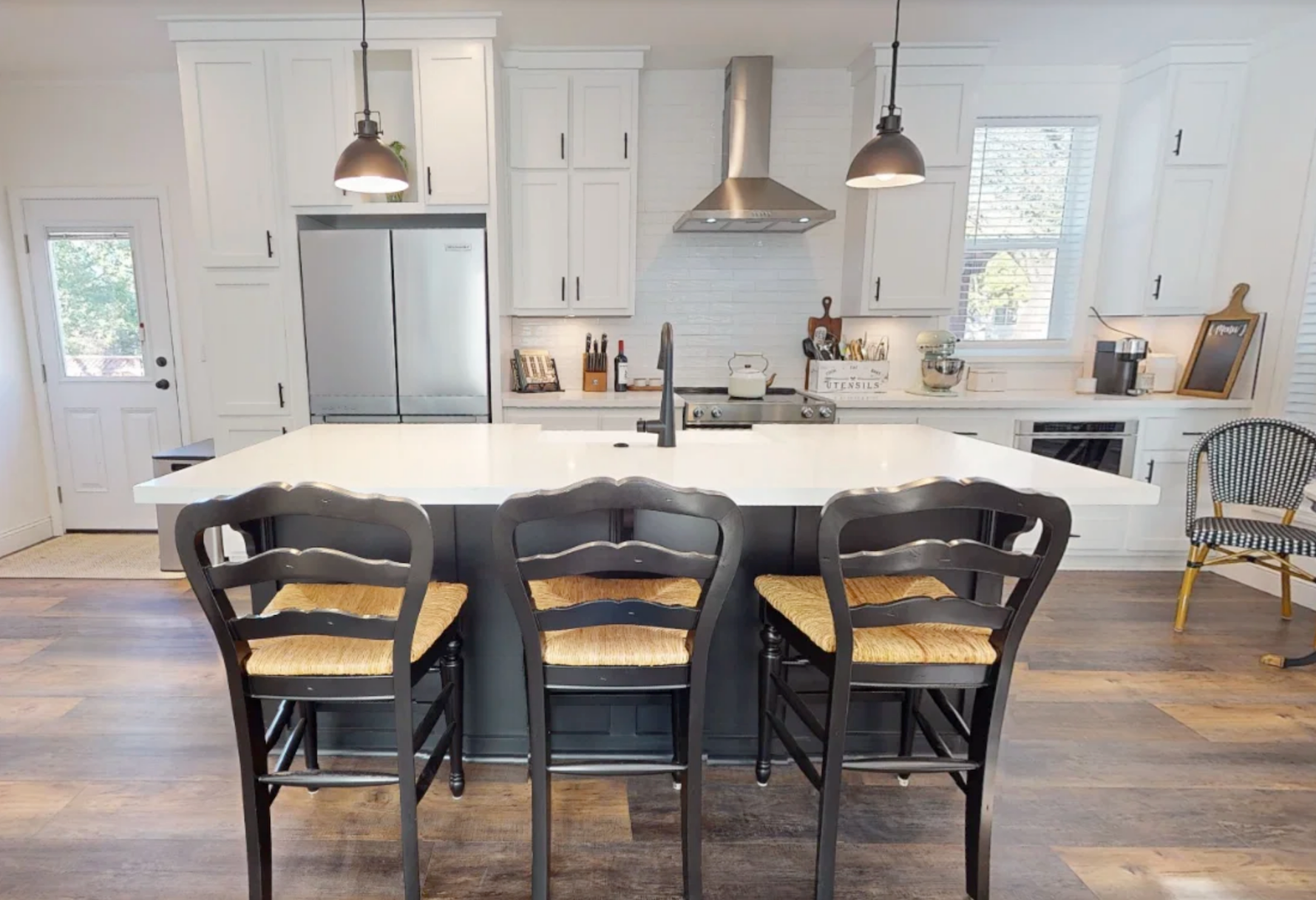
Touring a model gives you a real sense of layout, materials, and how the space functions day to day.
Long-term Benefits for California Homeowners
A pool can still be a great addition for your lifestyle, but for many California homeowners, the numbers and the long-term benefits are pointing in a different direction. An ADU offers flexibility, potential income, and a way to support family while adding value to your property.
If your goal is to make a smart backyard investment, it is worth asking not just what looks good today, but what will serve you and your property for years to come. As Katherine Anderson notes, “The shift is already happening, and buyers are thinking ahead. They are looking for properties that give them options.”
Ready to take the next step?
Contact Perpetual Homes ADU to schedule a consultation or book a tour of their model one of their model homes and see what’s possible for your backyard.
Sources and References:
California Association of Realtors:
https://www.car.org/aboutus/mediacenter/newsreleases/2025releases/2026forecast
https://www.car.org/aboutus/mediacenter/newsreleases/2026releases/Feb2026sales
California Department of Housing and Community Development:
https://www.hcd.ca.gov/sites/default/files/docs/planning-and-community/sb-9-fact-sheet.pdf
Perpetual Homes ADU:
https://build.perpetualhomesadu.com/start
Disclaimer: This article is intended for general informational purposes only and does not constitute legal, financial, tax, or construction advice. ADU regulations, costs, and building requirements may vary by location and property conditions. Homeowners should consult with licensed professionals and local planning authorities to confirm current requirements. For questions about building a prefab ADU, you may also contact the Perpetual Homes ADU team for a consultation.