Does an ADU Increase Property Value in California? Real Life Scenarios
Equity, Flexibility, and Long-Term Stability
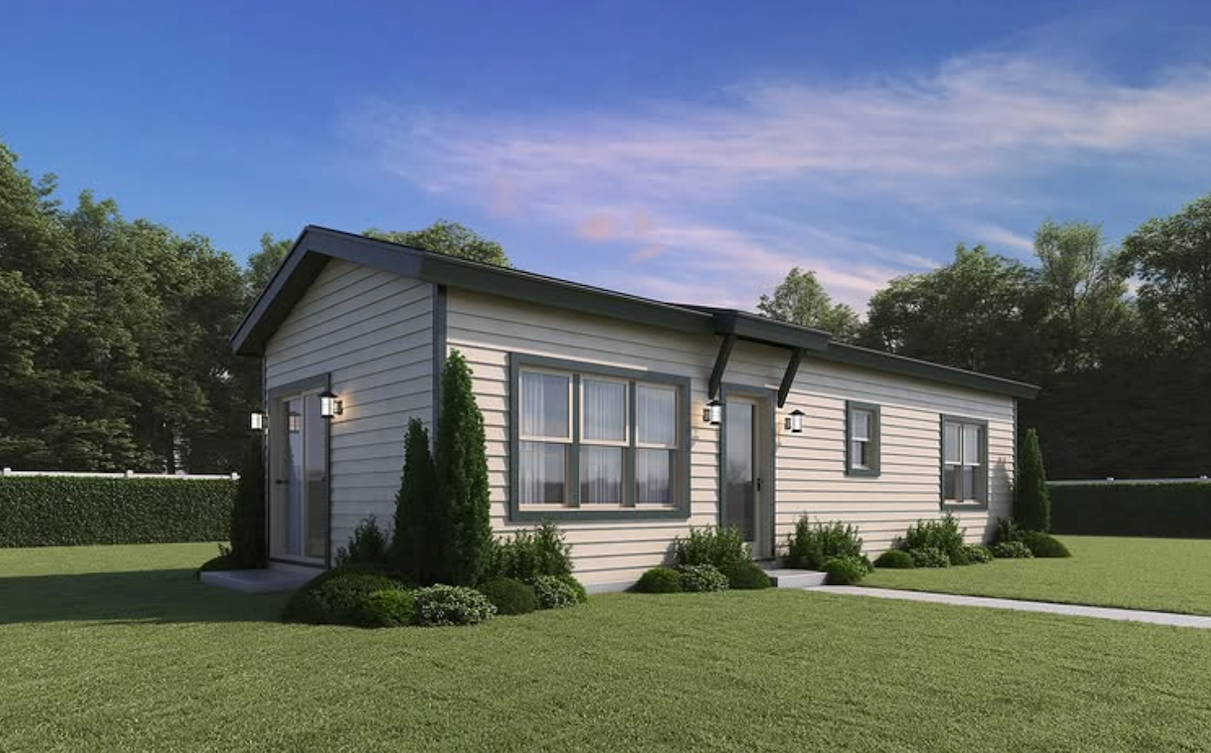
Adding an Accessory Dwelling Unit (ADU) is no longer just a niche trend in California. It has become a widely embraced way to address our housing needs, a key piece of the state’s housing strategy, and a practical decision for homeowners looking for more equity, flexibility, and a little more stability for the future.
But how do the numbers actually work? Appraisers generally evaluate ADUs based on local market demand, rental income potential, and comparable sales rather than solely on construction costs. Meanwhile, statewide housing data from the California Department of Housing and Community Development shows continued growth in ADU permits as cities implement expanded state laws, including recent updates under California’s 2026 housing framework, which provides even more clarity and flexibility for homeowners.
Every ADU adds value in its own way, and the return looks different for every homeowner, depending on how it is used. Below are real-world scenarios that show how California homeowners are turning these units into real property value.
Multigenerational Living
Rising housing costs continue to challenge younger Californians, and for many families, finding an affordable place to call home has become a central issue across the state.
For some families, the solution is multigenerational housing. We see more parents building an ADU so their adult children can afford to stay in California. Instead of moving out of state to find a lower cost of living, they stay close to family, community, and their careers.
From a property value perspective, this creates long-term stability. The family preserves ownership of a high-value asset while adding a second legal unit to the lot. In today's market, homes with ADUs often attract a much broader buyer interest because they offer the rare flexibility to house extended family or generate rental income down the road.
Katherine Anderson, founder of Perpetual Homes ADU, shares: “We create an opportunity for the next generation to stay in California and stay on their parents’ property. That flexibility matters.”
Aging in Place with a Plan
Aging in place looks different than it did twenty years ago. Instead of moving to assisted living, more California families are restructuring their existing property to create a lifelong housing solution.
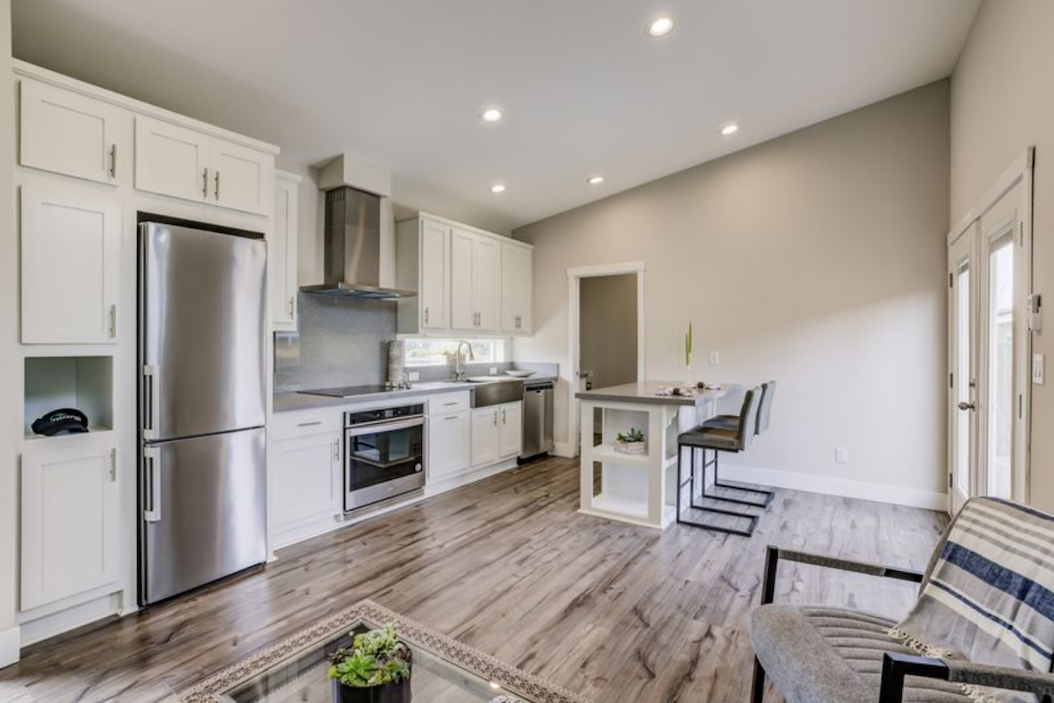
A common strategy is to build an ADU for an adult child to live in, allowing them to provide nearby care for an aging parent in the main home. Over time, families often "switch houses", allowing the older generation to move into the smaller single-level ADU, while the adult child moves into the main home to raise their own family.
This approach increases the livability and long-term usability of the property. It adds a layer of flexibility that holds value over decades. When the time comes to sell, the property stands out because it offers two functional dwellings, each with independent utility connections and entrances, in compliance with California’s updated ADU regulations.
With state laws continuing to streamline approvals and clarify development standards through 2026 and beyond, aging-in-place strategies are more feasible, and finacially sound, than ever before.
Building for Community Impact
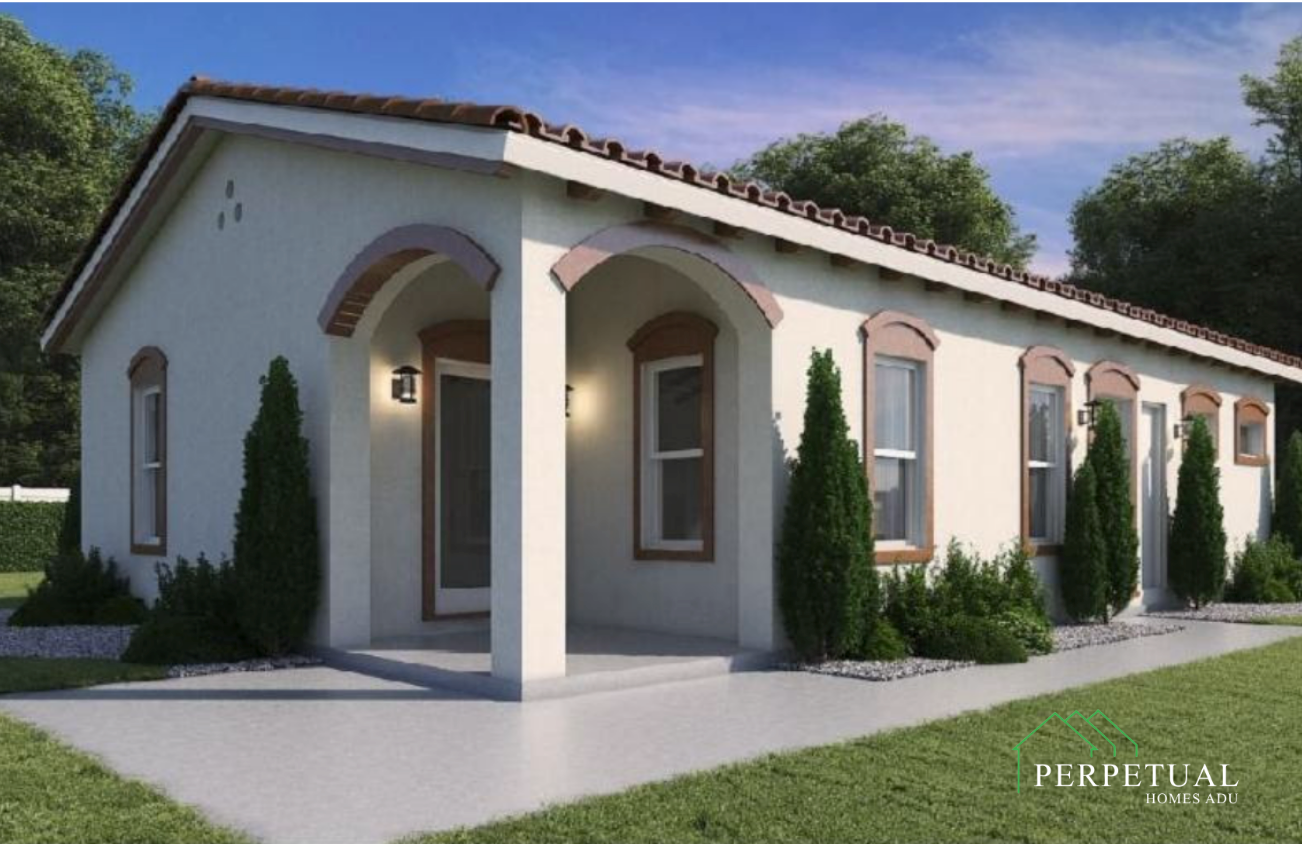
One Perpetual Homes client chose to build a detached prefab ADU with a specific purpose in mind: supporting someone essential to the community.
Katherine Anderson often frames it simply: “We had a client build an ADU on their property specifically for a local teacher as a way to give back to the community.”
Even with a focus on impact, the investment still translates into significant equity. From a valuation standpoint, the property gained a fully permitted second dwelling with an income history. Even with modest rent, the presence of a legal ADU dramatically increases market appeal. In California's high-cost regions, today's buyers increasingly value this kind of flexibility and housing options.
Empty Nesters Funding Travel
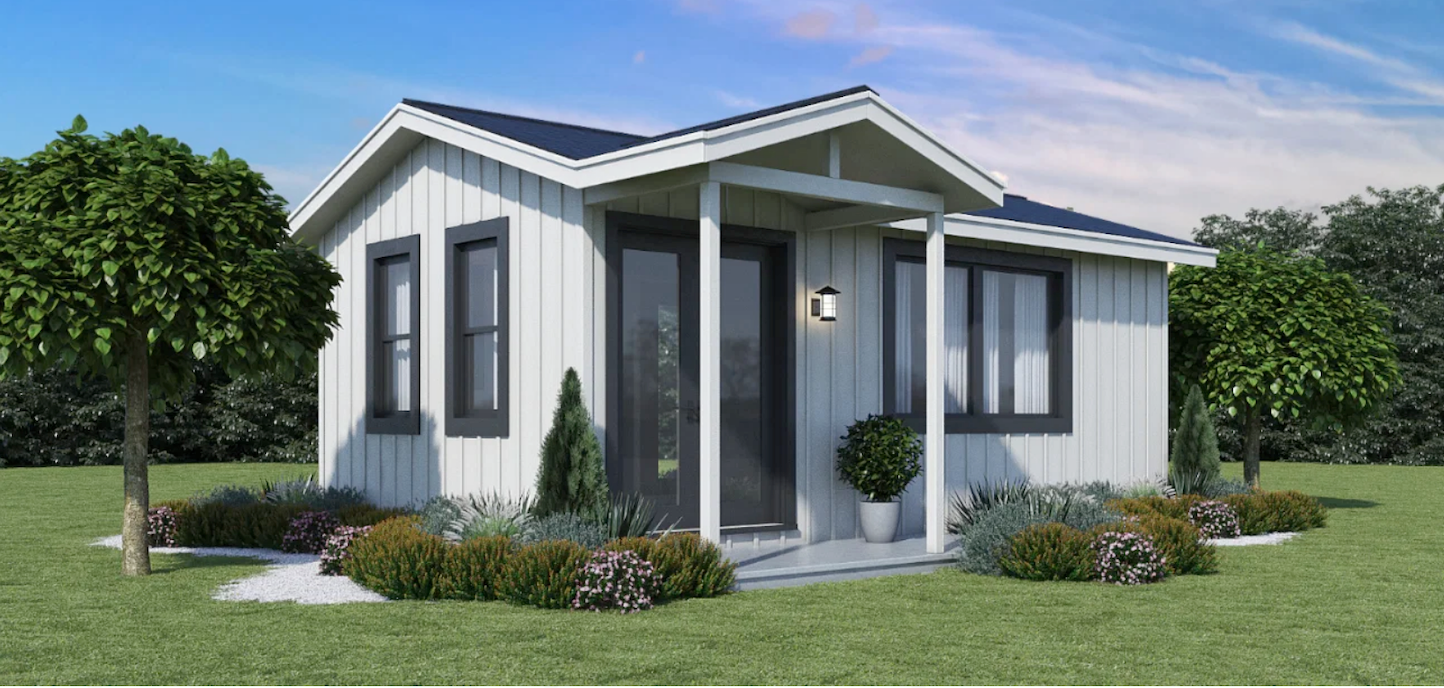
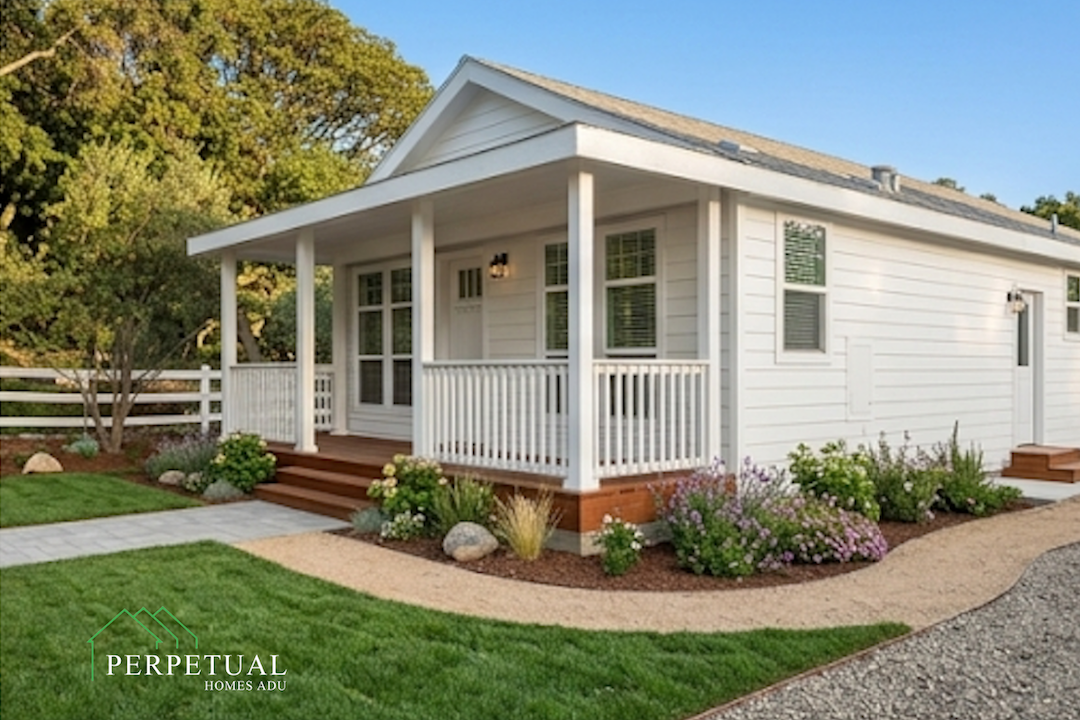
Another couple approached Perpetual Homes after their children moved out. They wanted to travel more and decided to install a backyard prefab ADU to help generate steady rental income.
The property has become more than just a primary residence and has evolved into a dual-income asset. The rental income supports their travel plans, while the addition of a permitted ADU strengthens the property’s overall value and long-term market appeal.
Homes with built-in income potential are often viewed differently in the marketplace. Even buyers who do not intend to rent recognize the flexibility that a second dwelling provides.
For this couple, the ADU was less about squeezing out maximum short-term profit and more about designing a property that supports the lifestyle they want now, while building long-term equity for the future.
Hybrid Use Today, Rental Tomorrow
Not every ADU begins as a rental. Some start as dedicated home offices, art studios, or guest houses. The real value lies in the power of optionality.
A homeowner might use the space personally for the first five years. Later, if financial needs or life circumstances change, the unit can easily be transitioned into a long-term rental unit. This flexibility has strong appeal in today’s market, where buyers are specifically looking for adaptable properties.
Appraisers consider what is known as the "highest and best use." A legally permitted prefab ADU creates additional potential use categories, which can positively influence valuation compared to a single-purpose structure like a standard shed or unpermitted bonus room.
Long Term Equity vs Short Term Cash Flow
It’s tempting to evaluate ADUs only through monthly rent projections. However, real property value is often shaped just as much by long-term equity growth as it is by immediate cash flow.
Adding a high-quality prefab ADU increases total livable square footage, diversifies your income options, and aligns the property with California’s evolving housing landscape. As demand for flexible housing continues to rise, properties with fully legal ADUs are positioned to stand out in any resale scenario.
An ADU is not a one-size-fits-all investment. It is a strategic decision shaped by family goals, community values, and future planning. As you consider what comes next for your property, the better question might not be “What is the immediate return?” but “What future do we want this home to support?”
For Many California Homeowners, Backyard ADUs Create Opportunity
Ready to explore adding an ADU to your California property? Contact Perpetual Homes, one of the largest privately-owned, family-run ADU builders in California, to discuss how we can help you build long-term value and flexibility for your future.
References
California Department of Housing and Community Development – Accessory Dwelling Units
https://www.hcd.ca.gov/building-standards/adu