A Practical Guide to Building an ADU in California
A Fresh Start for California Homeowners
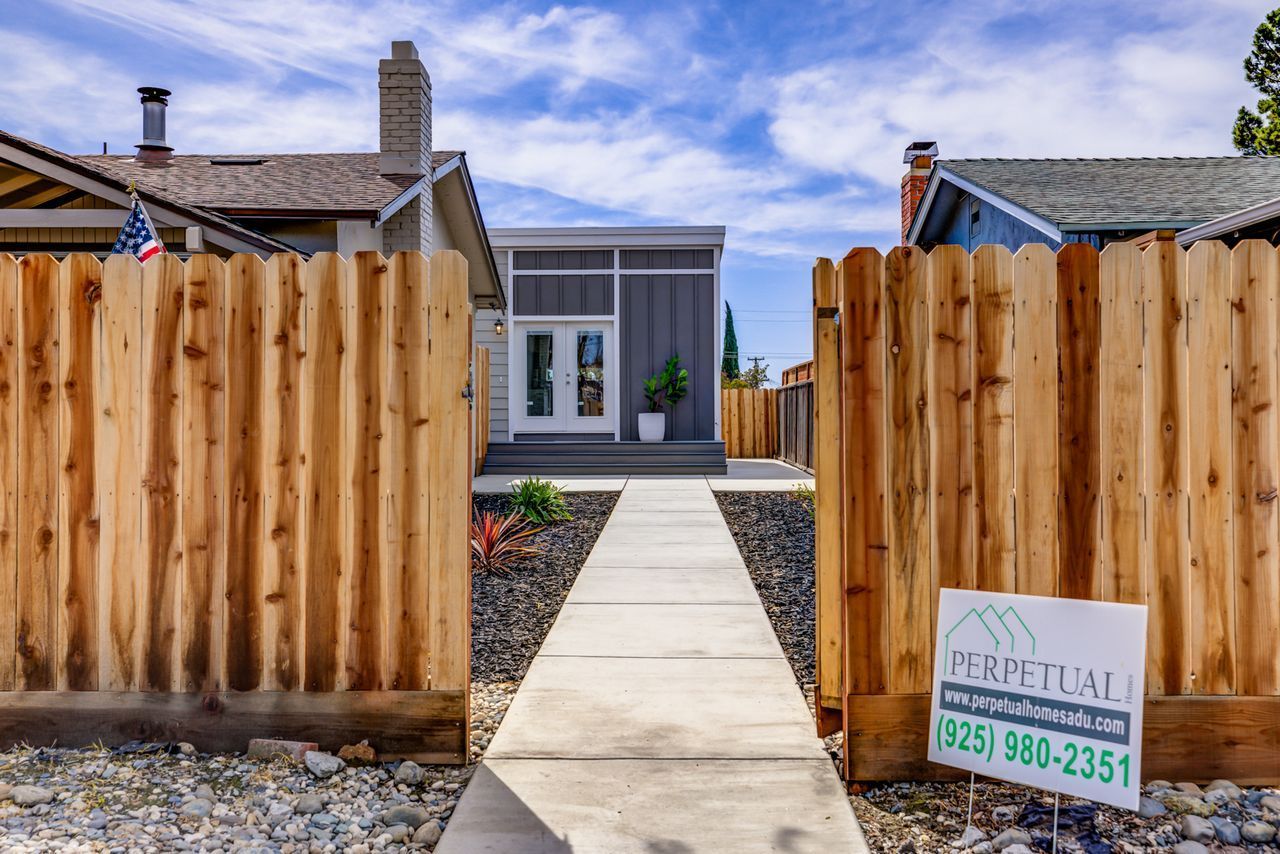
As a new year begins, many California homeowners are reevaluating how their property can better support their lives, families, and long-term plans. For some, that means creating space for aging parents or adult children. For others, it means adding rental income or increasing property value. Accessory Dwelling Units, commonly known as ADUs, continue to be one of the most flexible ways to do all of the above.
This guide is designed to be a resource for homeowners who are curious about ADUs, whether you are actively planning or simply starting the conversation. There’s rarely a wrong time to explore your options. Learning what’s possible, understanding current regulations, and talking with a Perpetual Homes team member early can make the entire process smoother when you’re ready to move forward.
What California Homeowners Should Know Before Building an ADU
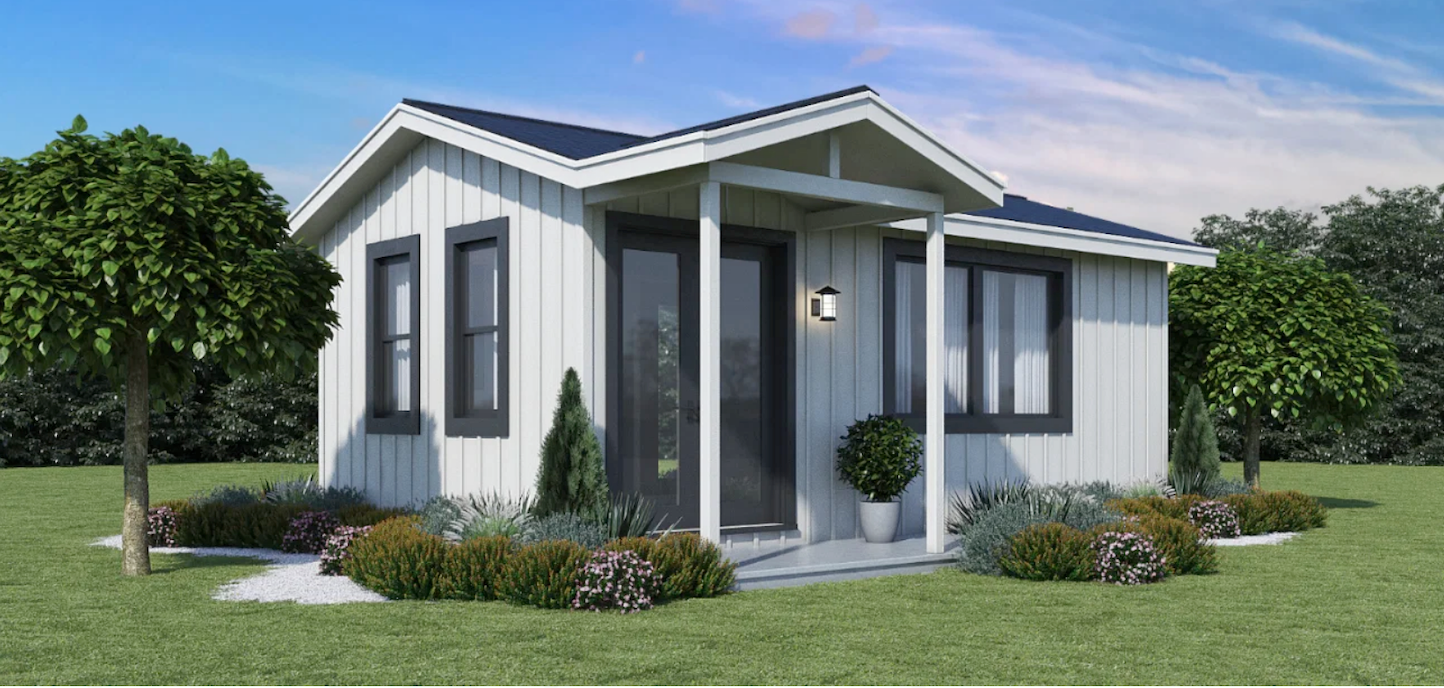
ADUs are self-contained residential units built on existing properties. In recent years, California has made consistent efforts to reduce barriers to ADU development, making them more accessible across the state. Prefabricated ADUs can be added to excess land on single-family lots, multi-family properties, churches, commercial properties, and government-owned properties.
Before moving forward, homeowners should understand a few foundational points:
- Local zoning and lot conditions still matter, even with statewide ADU laws.
- Utility connections, setbacks, and access requirements vary by city.
- ADUs can be used for family housing, long-term rentals, or personal use. Short-term rentals may be restricted in many areas.
- Prefab ADUs offer a different construction path than traditional builds, with more predictability in cost and timelines.
Starting with clear information helps avoid surprises later and allows homeowners to plan realistically.
Why It’s a Smart Time to Start the Conversation
The beginning of the year often brings new goals, financial planning, and conversations about the future. For homeowners, it is a natural moment to ask how a property can work harder or more flexibly over time.
Starting the ADU conversation early with a Complimentary Virtual Assessment does not mean committing to immediate construction. It means learning what is possible. Early discussions allow you to:
- Find out if your property is a good candidate for a backyard ADU.
- Understand current California state and local regulations.
- Explore layout options and choose from a wide selection of highly customizable designs.
- Get a ballpark estimate to create an ADU plan for your long-term family or financial goals.
Even if construction happens later, we’ll help you start smart, and early planning will lead to better decisions.
Looking Ahead at California ADU Updates for 2026
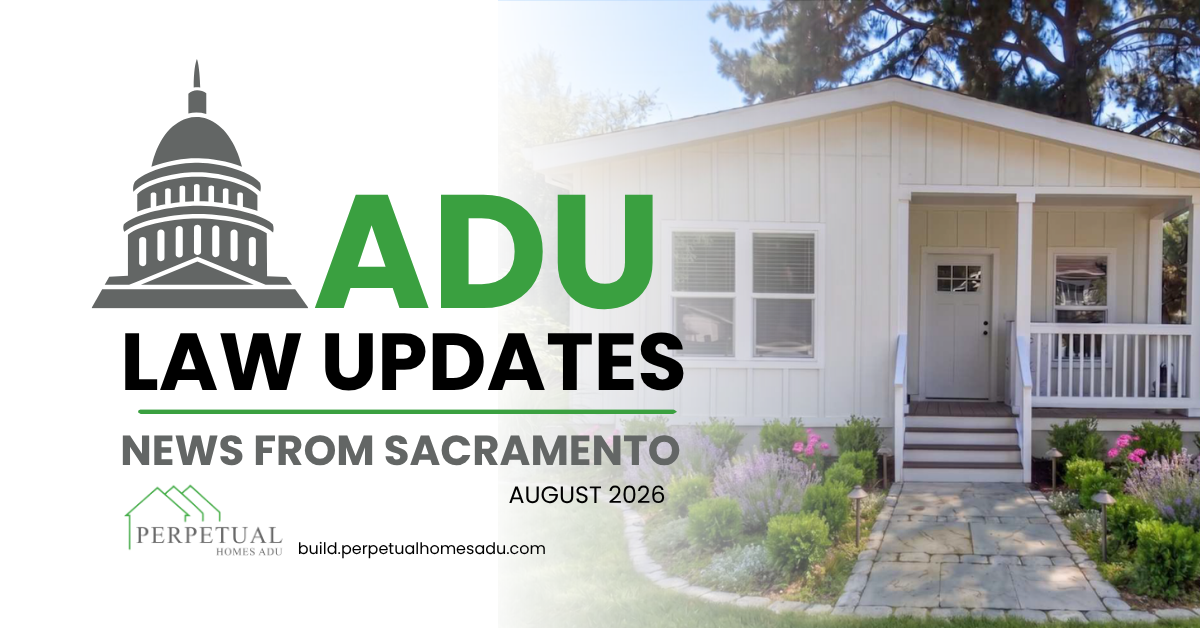
California continues to refine ADU regulations to support housing availability and affordability. The 2026 California law updates build on recent trends, emphasizing flexibility, expanded allowances, and clearer guidelines for homeowners.
Statewide guidance from the California Department of Housing and Community Development highlights ongoing efforts to streamline approvals and reduce local barriers. These changes can affect unit size limits, parking requirements, and how multiple units may be added on certain properties.
Because updates are ongoing, it is important to understand how new rules apply at both the state and local levels. Perpetual Homes regularly shares updates through its newsletter and can help homeowners interpret what these changes mean for a specific property.
How Prefab ADUs Simplify the Building Process
One of the most significant shifts in ADU construction is the rise of off-site, prefab building methods. Unlike traditional construction that happens entirely on your property, prefab ADUs are largely built in a controlled environment and then delivered and installed on-site.
For many homeowners, prefab offers many advantages:
- More predictable pricing
- Reduced on-site construction time
- Consistent quality control
- Less disruption to the main home
Perpetual Homes offers a full catalog of customizable Prefab ADUs, which makes the process more efficient and easier to manage, especially for homeowners balancing work, family, and daily life.
The Long-Term Benefits of Building an ADU
“An ADU gives homeowners options,” shares Perpetual Homes founder Katherine Anderson. “Whether that means welcoming a parent home, creating space for the next generation, or securing financial flexibility. It’s about making housing work for people again.”
ADUs are not a one-size-fits-all solution, but their benefits are broad:
- Additional living space for guests, caregivers, or home offices
- Multigenerational housing that keeps family close while maintaining privacy
- Rental income potential that can offset mortgage costs or support retirement plans
- Increased property value through added livable square footage
According to resources from the California Department of Housing and Community Development, ADUs also support broader housing goals by making better use of existing residential land.
Start with Information, Then Take the Next Step
Building an ADU is a significant decision, but it does not have to feel overwhelming. The most important first step is having an informed conversation with professionals who understand California regulations, local permitting, and modern construction methods.
Whether you are exploring ideas or ready to move forward, Perpetual Homes serves as a resource for California homeowners navigating the ADU process. Reach out to learn how Perpetual Homes can help you with the next steps or book a free consultation today.
For homeowners looking ahead, an ADU is not just a building project. It is a long-term investment in flexibility, housing security, and the future of your property.
References
California Department of Housing and Community Development – ADU Program and State Standards
https://www.hcd.ca.gov/building-standards/adu
State of California – Gov. Newsom signs into law groundbreaking reforms to build more housing, boost affordability
https://www.gov.ca.gov