How ADUs and Multi-Family Lots Can Support Families Today
Multigenerational Living in California
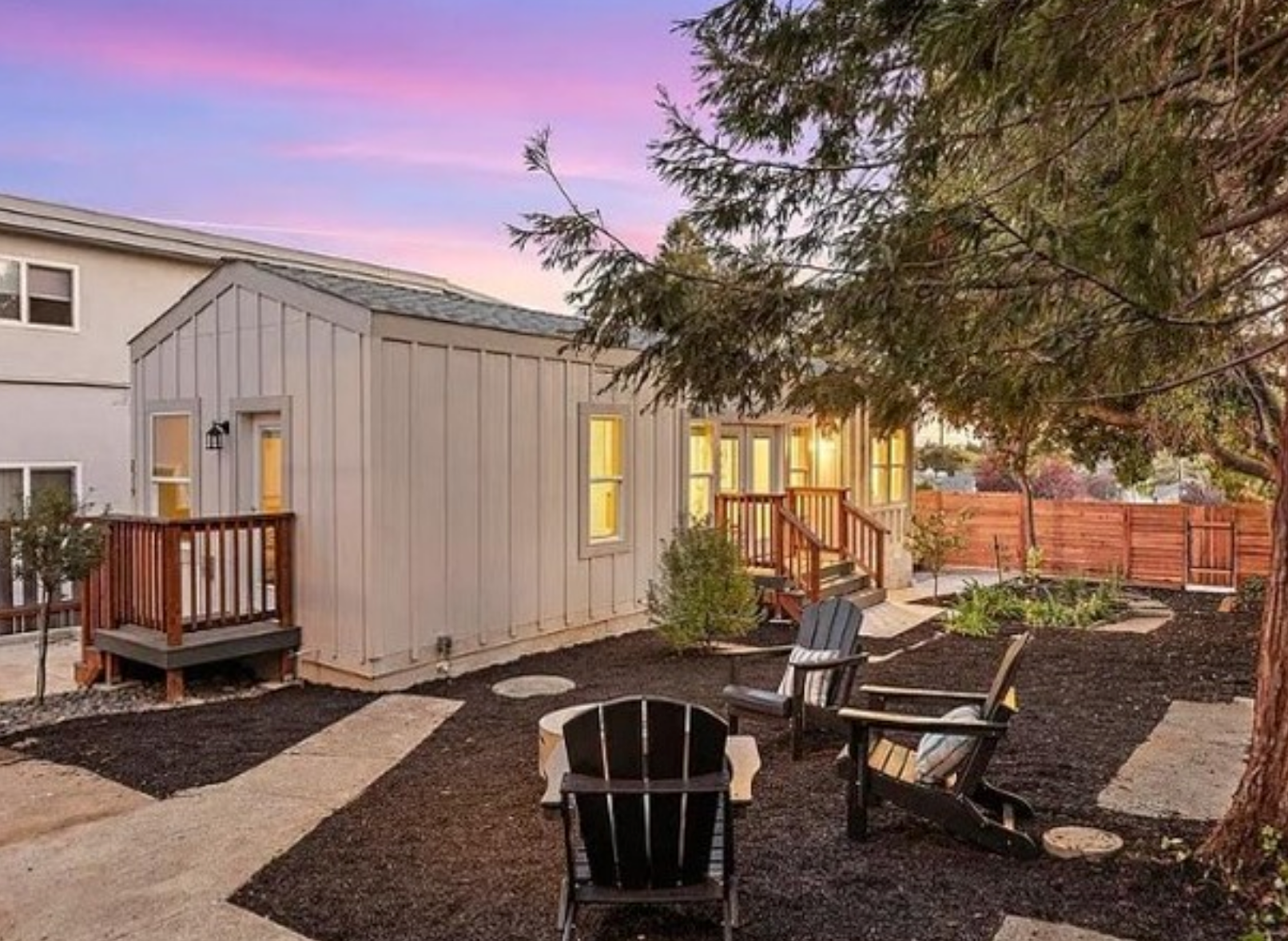
Multigenerational living is becoming an increasingly practical solution for many California families. Rising housing costs, an aging population, and adult children staying closer to home are pushing homeowners to rethink how their properties can better support their extended family.
Accessory Dwelling Units, commonly known as ADUs, have emerged as one of the most effective ways to create flexible living arrangements without sacrificing independence or privacy.
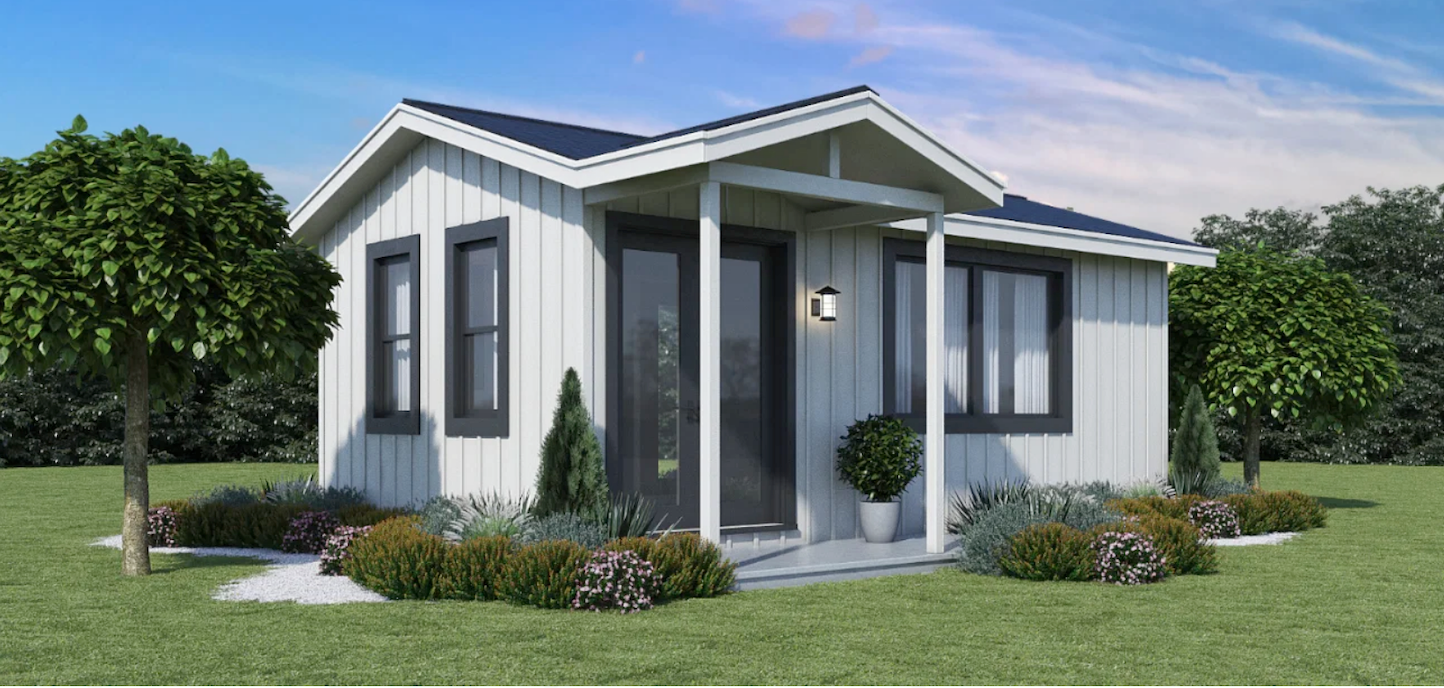
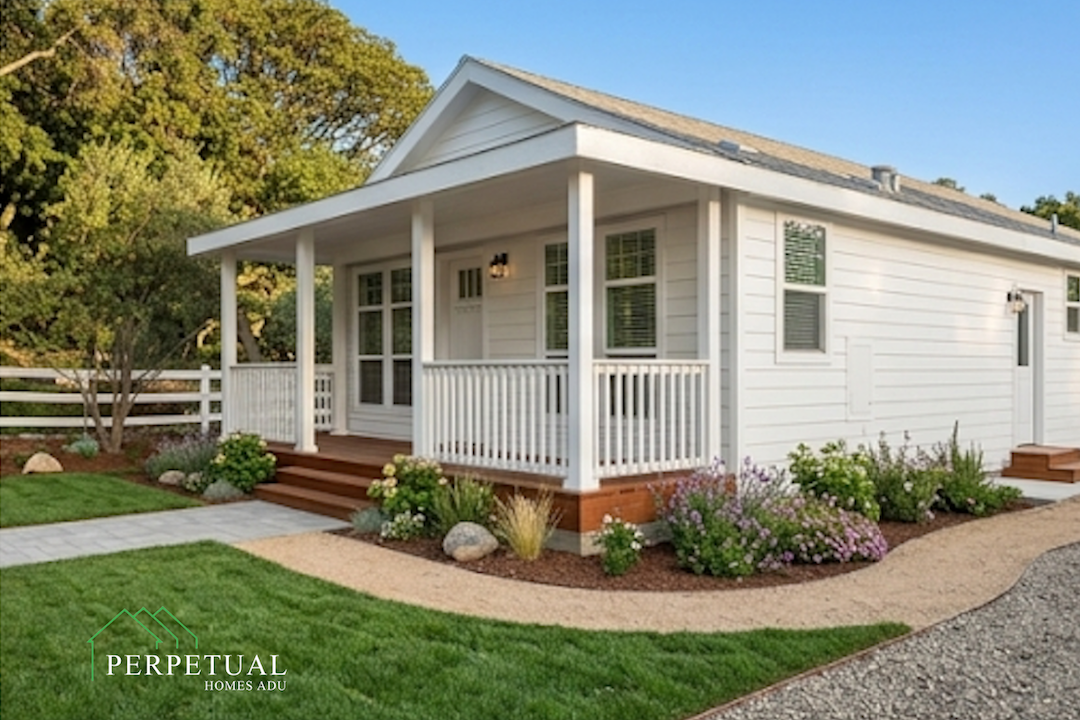
ADUs offer an alternative that traditional single-family homes often cannot. A well-designed ADU allows family members to live nearby while maintaining separate entrances, kitchens, and living spaces. This setup reduces daily stress while preserving dignity and autonomy for everyone involved.
“I’ve seen how difficult it is for families to stay rooted in California given today’s housing market,” Katherine Anderson says. “An ADU gives them options — whether that means welcoming a parent home, creating space for the next generation, or securing long-term flexibility. It’s about making housing work for people again.”
Perpetual Homes is designed to make that process simpler. Founded in 2019 by Katherine Anderson, a Bay Area resident with more than 40 years of residential development expertise, the family-run Danville company has grown into California’s largest private ADU builder. By combining quality craftsmanship with smart design and efficient delivery, Perpetual Homes helps families create housing solutions that feel attainable.
Why ADUs Work for Multigenerational Households
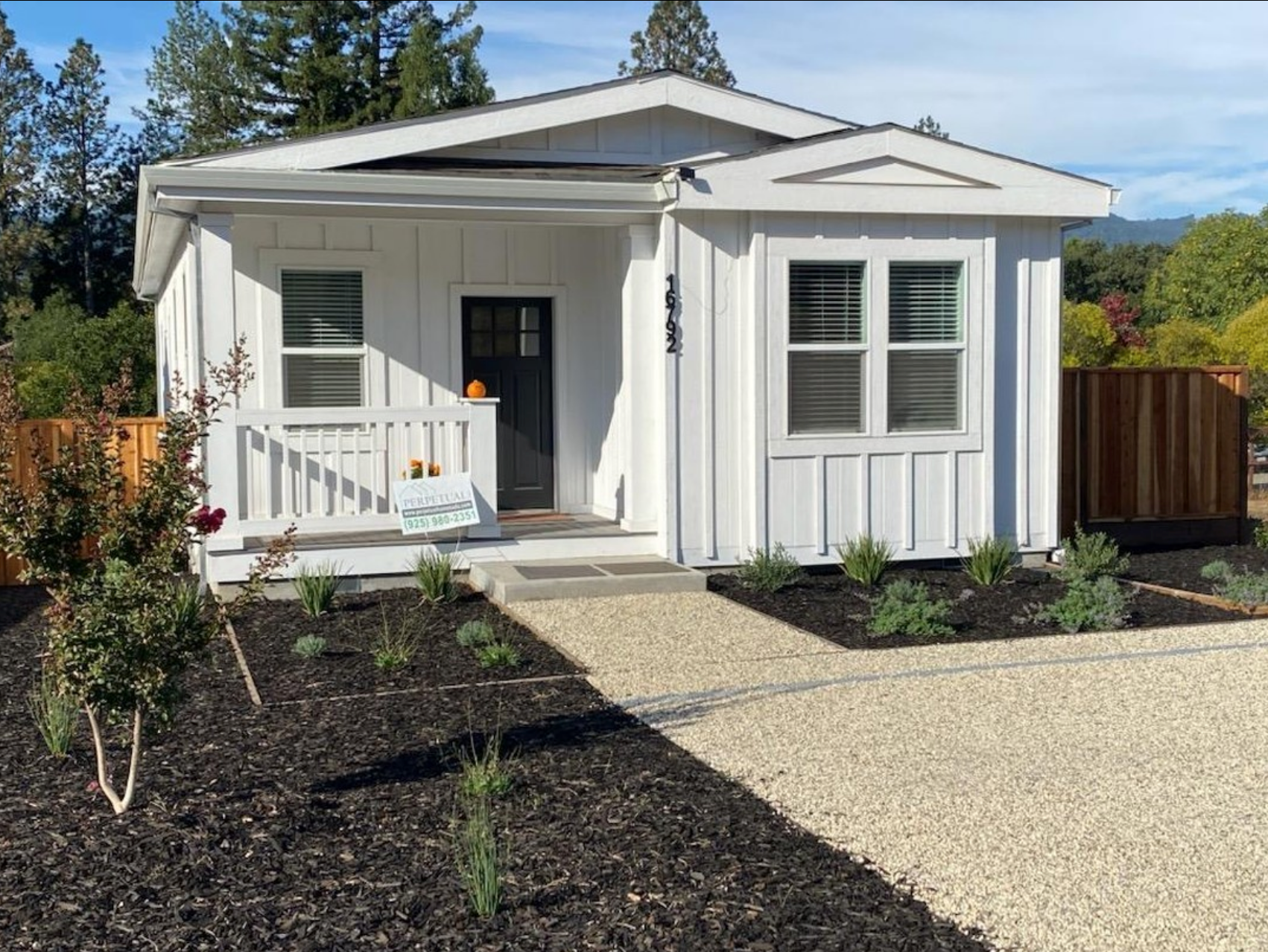
ADUs are especially suited to multigenerational living because they can be tailored to specific family needs. Some families prioritize single-level layouts and accessibility features for aging parents. Others focus on compact, efficient designs for adult children who need an affordable place to live while building savings or caring for young kids.
Privacy is often a key concern. Detached ADUs allow families to share a property without sharing walls or daily routines. This physical separation helps preserve personal space while keeping loved ones close enough for support, childcare, or shared meals when it makes sense.
ADUs can also evolve over time. A unit that initially houses a parent may later become a rental, a guest space, or a home office. That flexibility makes ADUs a long-term planning tool rather than a short-term fix.
Expanded State Laws Are Changing What’s Possible
California has made significant updates to state housing laws that make ADUs easier to build and more widely available. These changes are especially meaningful for multigenerational families who need practical housing options now.
One of the most important shifts is the expanded allowance for ADUs on multifamily lots. In many cases, property owners can now add multiple detached ADUs to a single multifamily property. This creates new opportunities for families who own duplexes or small apartment buildings to house relatives while remaining within state guidelines.
Another notable development is how some cities are using new state authority to expand ownership options. Sebastopol recently became the first city in Sonoma County to adopt AB 1033, a state law that allows ADUs to be sold separately from the primary home as a condominium. This approach gives homeowners the ability to create separate titles for an ADU and the main residence, creating new opportunities for first-time buyers, downsizing seniors, and families planning for long-term flexibility.
Together, these changes reflect a broader effort to increase housing supply and improve affordability. By reducing barriers, simplifying approvals, and expanding how ADUs can be built, used, and even owned, California is giving families greater flexibility to adapt their properties to real-life needs.
“We recently worked with a multigenerational family in San Bruno where the adult children had their first baby and wanted to stay nearby,” Anderson shares. “We helped them build an ADU on the parents’ property. It became a win for everyone. The grandparents are close to the grandchild, and the family can support each other as needs change.”
New Models from Perpetual Homes
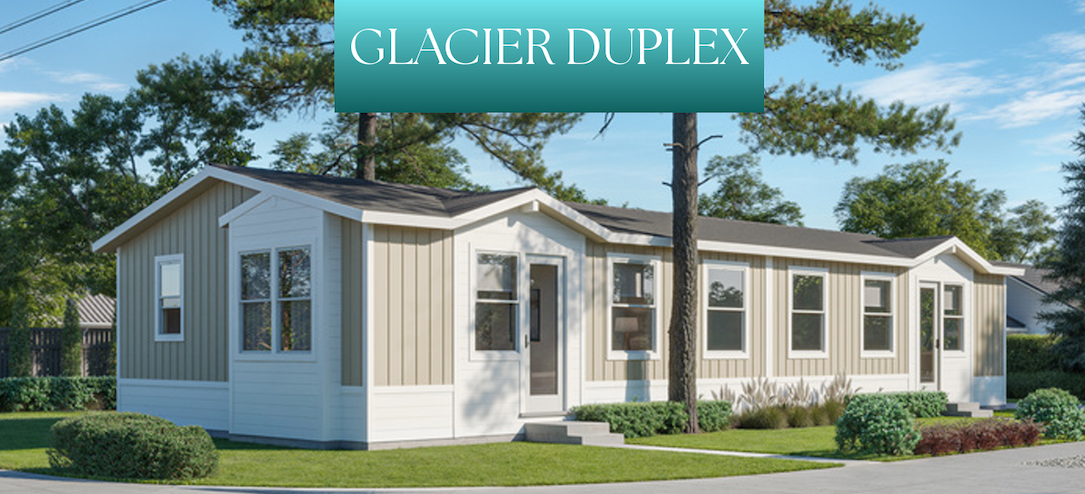
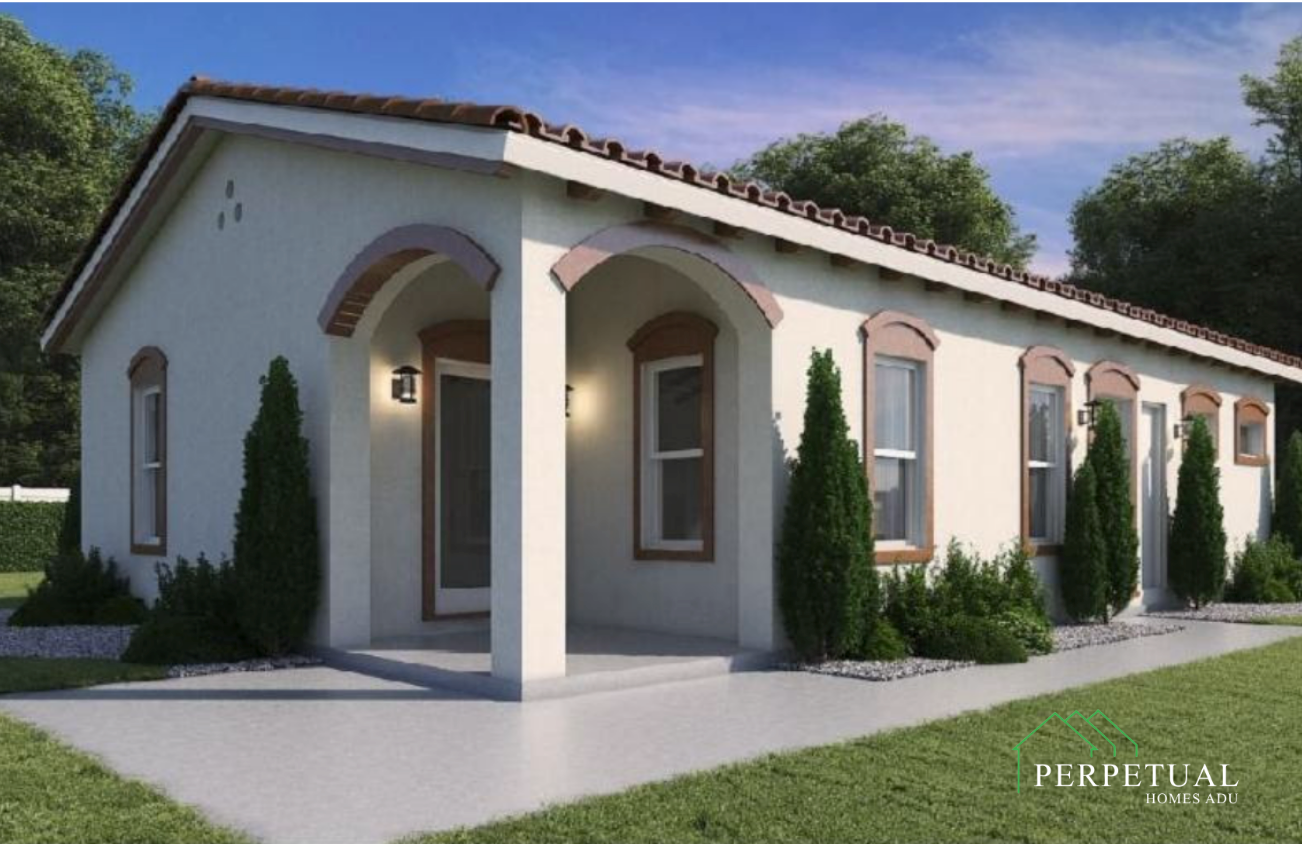
In response to these changes, Perpetual Homes has expanded its offerings to include the new Glacier duplex model, compact studios, and larger 3-bedroom layouts designed for today’s housing needs. These models support multigenerational living by allowing families to share a property while maintaining privacy and predictable construction timelines.
“We’re creating opportunities for the next generation to stay in California by building on family property,” Anderson says. “We love working with families who want to age in place, whether that means helping parents remain in their home or creating a path for adult children to live nearby. In many cases, a son or daughter may live in the ADU today, with the flexibility to move into the main home later as needs change.”
Planning Ahead with Confidence
Multigenerational living works best when it is planned thoughtfully. Understanding zoning rules, unit limits, and design options early can help families avoid surprises and make informed decisions. California’s updated ADU framework gives homeowners more flexibility than ever, but each property still has unique considerations.
Working with an experienced team can help families navigate these choices and align them with long-term goals. Whether the priority is caring for loved ones, creating stability for adult children, or building future flexibility into a property, ADUs offer a practical path forward.
Ready to see how an ADU could work for your multigenerational household? Contact Perpetual Homes today.
References
California Department of Housing and Community Development – ADU Program and State Standards
https://www.hcd.ca.gov/building-standards/adu
State of California – Gov. Newsom signs into law groundbreaking reforms to build more housing, boost affordability
https://www.gov.ca.gov