
Here’s how AB 1033 works
A new law allows homeowners to sell ADUs like condos, boosting homeownership. Here’s how AB 1033 works:
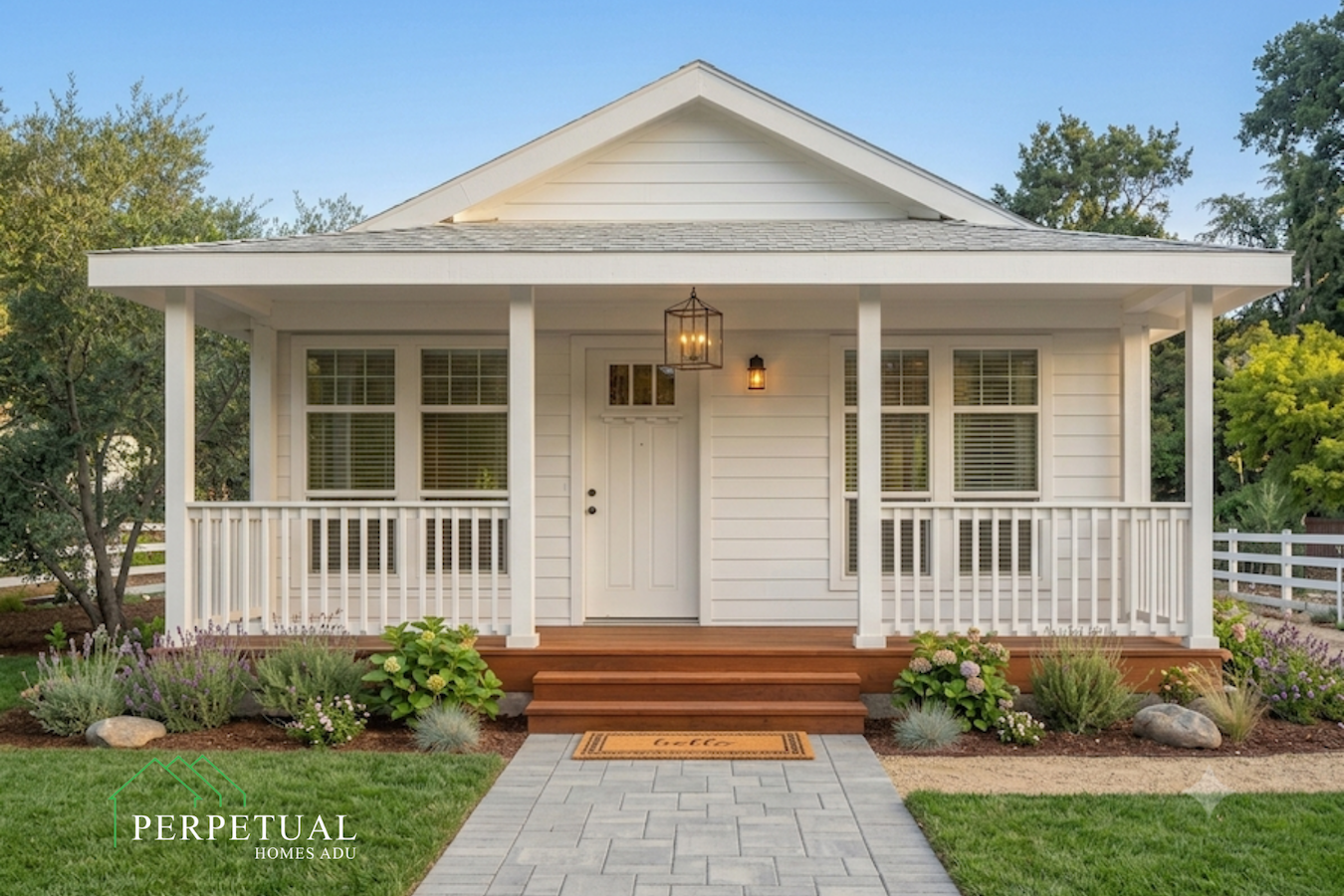
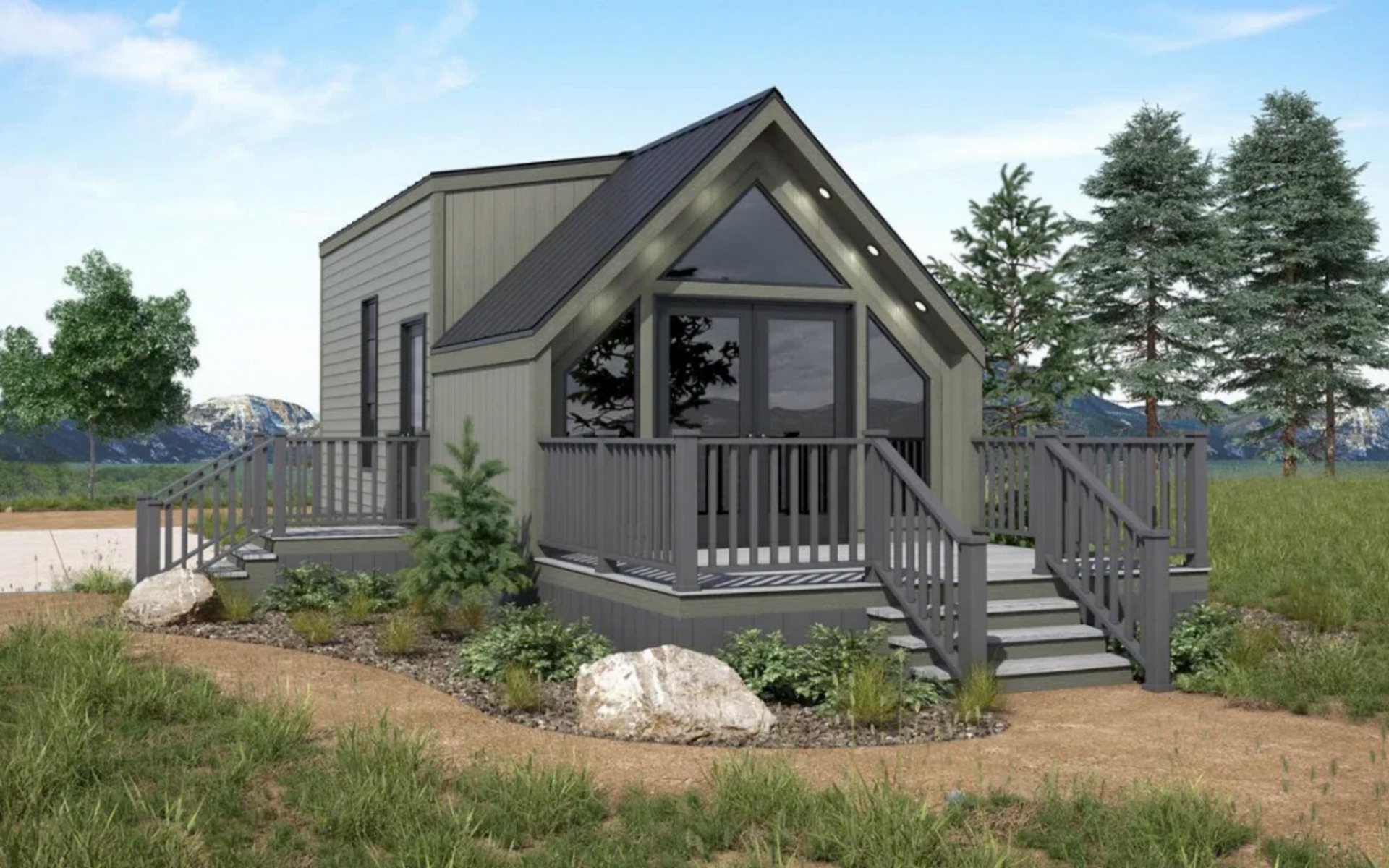
Accessory dwelling units, also referred to as ADUs and “granny flats,” have been available in California only as rentals. But a new law, Assembly Bill 1033, is giving Californians the opportunity to buy and sell them as condominiums.
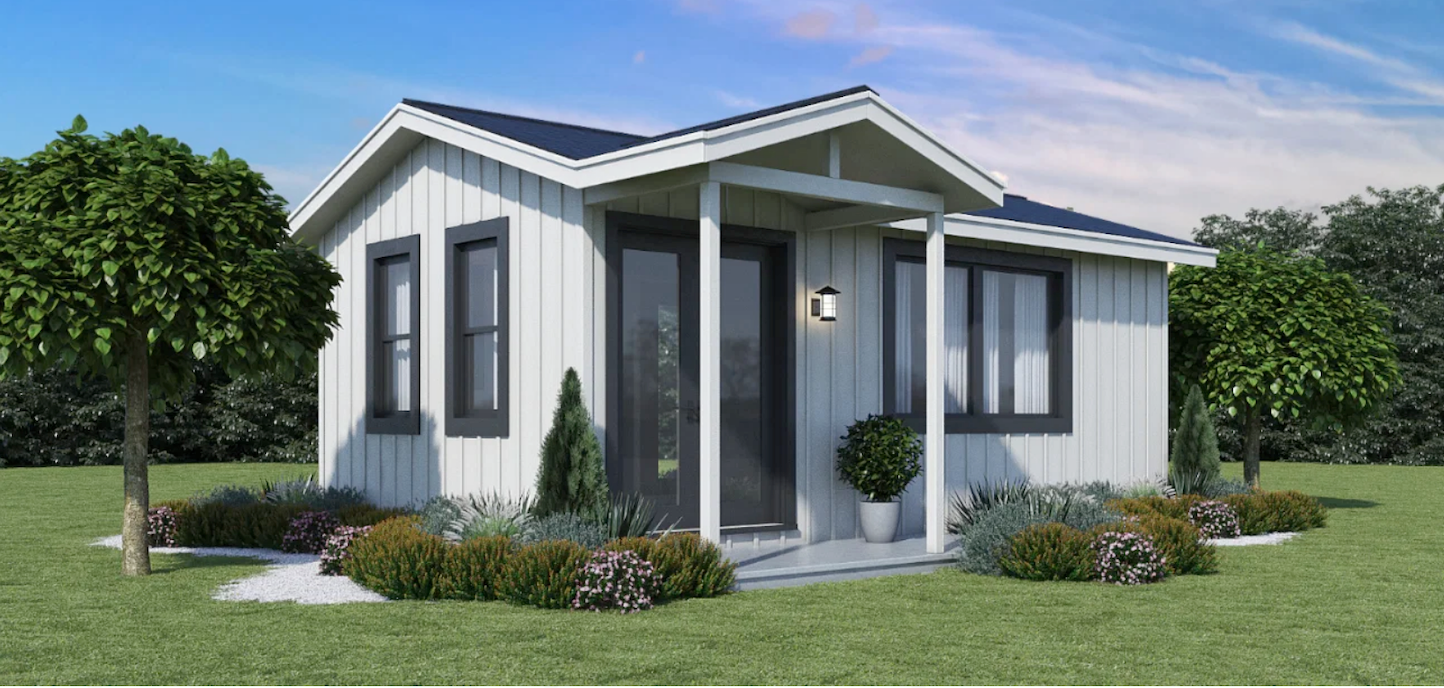
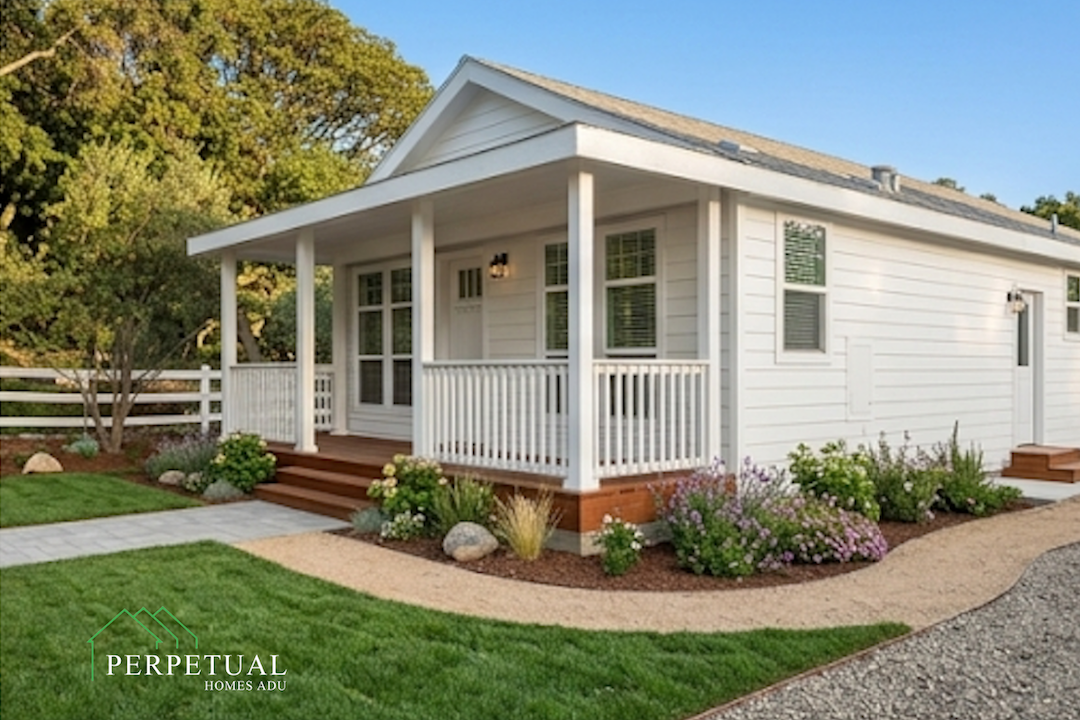
ADUs come in all shapes and sizes — for example, a converted garage, a small home in the backyard, or, as often seen in San Francisco, an unused portion of the main house, said Assemblyman Phil Ting (D-San Francisco), who drafted the legislation.
Under AB 1033, which was signed into law this week, property owners in participating cities will be able to construct an ADU on their land and sell it separately, following the same rules that apply to condominiums. It gives homeowners more options for building on their property, and “the hope is, it would create more homeownership,”said Ting.
Under the new law, local governments need to opt in to the ADU-as-condominium approach for it to be an option in their cities.
Here’s how the new rules will work in participating cities:
As with new condominiums, homeowners building ADUs must notify the local utilities, including water, sewer, gas and electric, of the creation and separate conveyance of the unit. Each property will also have to form a homeowners association to assess dues to cover the cost of caring for the property’s exterior and shared spaces, such as the driveway, a pool or a common roof.
Similar to condominiums on one property, the home and the ADU will have two different property taxes, Ting said.
He says he believes that many of the initial ADUs going through this process will be sold to the family members or close friends of the homeowner.
“And then as people are more comfortable with this and you see more ADUs being sold, and it’s more prevalent, then I could see this being more of a traditional real estate transaction,” he said.
Meredith Stowers, a loan officer at CrossCountry Mortgage in San Diego who specializes in ADUs, said AB 1033 benefits both homeowners and new buyers.
“The typical homeowners we see are retirees who have long since paid off their mortgage, but are maybe living on a pittance of Social Security and meager retirement funds,” she said.
Under this law, the retirees can earn supplemental income and young families can buy an affordable starter home.
Stowers said the problem that retirees are facing is that, “after so many years of loan modifications in high rates, it doesn’t make financial sense for the retiree to move out of their home.”
She argues it’s more expensive for them to downsize to a smaller house, and this new piece of legislation opens opportunities for retirees to leverage the equity they’ve built up in their homes while also creating affordable housing.
“We’re even seeing some retirees add ADUs in their backyard that they then move into and potentially selling off their home,” she said.
Selling ADUs as condominiums is having success in places such as Oregon, Texas and Seattle.
When Seattle removed regulatory barriers that discouraged property owners from constructing ADUs in 2019, the city issued nearly 1,000 ADU permits, more than four times the number permitted in 2018, according to a report released in March.
The report also found that in 2022, the city permitted 437 attached ADUs and 551 detached ADUs, which it referred to as backyard cottages. Just under half were on sites with multiple ADUs and one-third were part of a development that included a new single-family residence.
Included in the report were sample sales for neighbor residential parcels with detached ADUs, reporting that a unit of more than 1,000 square feet sold for an average of anywhere between $500,000 to $800,000.